Boleyn Cinema
LB Newham
Greater London
E6 1PW
United Kingdom
Map
Sorry, no records were found. Please adjust your search criteria and try again.
Sorry, unable to load the Maps API.
Description
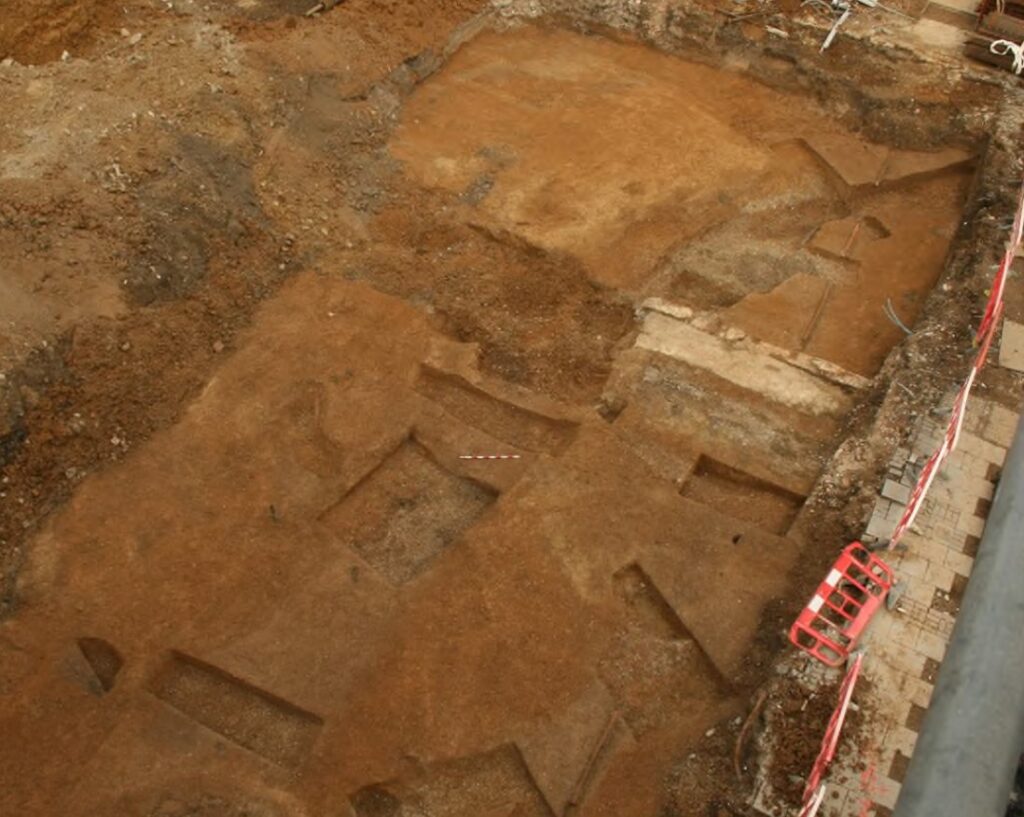
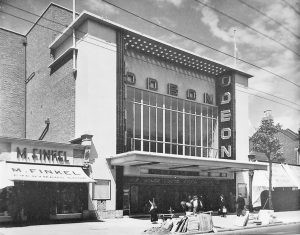
Following the demolition of a cinema, built in the 1930s, Pre-Construct Archaeology Ltd London was commissioned by Boleyn Heights Limited to undertake an archaeological mitigation at the site. PCA had also undertaken a standing building survey of the cinema prior to its demolition.
The development was located in an area of known archaeological potential and was probably within a medieval hamlet called Grenestrete.
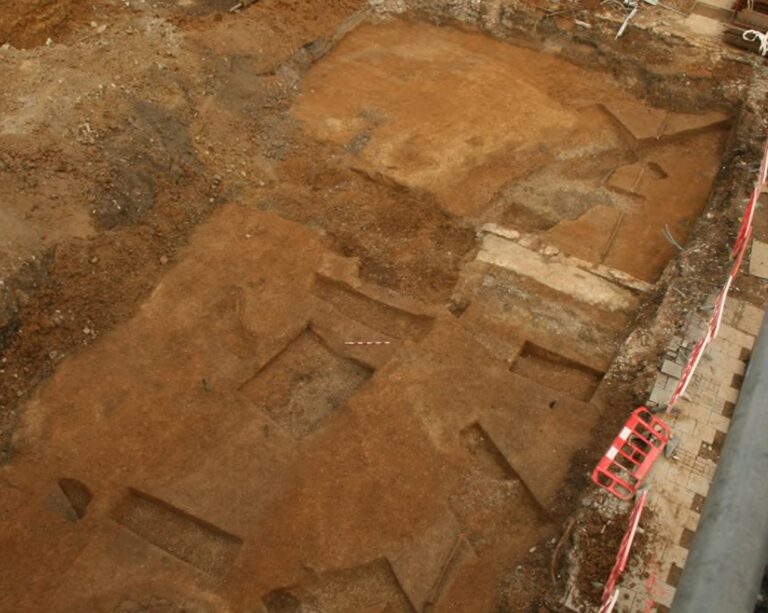
The archaeological input was initiated by evaluation trenches which provided detailed information on the survival of archaeological features and deposits on the site. They revealed Roman and medieval remains, the former being of particular interest since Roman remains had not previously been found in the vicinity. In consultation with Historic England and the client, a ‘strip, map and sample’ mitigation was agreed to cover the footprint of the proposed basement. This strategy ensured archaeology could be identified and recorded while not significantly delaying the construction project.
Three phases of activity were identified: early Roman, medieval and late post-medieval to modern. The most notable feature on the site was a large circular pit that contained a large amount of Roman pottery, including a significant portion of a rare North Gaulish flagon. The was infilled at the start of the 2nd century, demonstrating an early occupation of the site. Other Roman era features included pits, postholes and a boundary ditch which collectively may indicate the presence of a short lived small rural settlement or farmstead.
Medieval activity was represented by several elongated pits, possibly horticultural plots, clustered at the western end of the site and were probably associated with dwellings built along Green Street itself.
The medieval pottery was similar to examples found nearby at the former West Ham Boleyn Football Ground, providing further evidence for settlement from the late 12th century. By the end of 14th century, the settlement had apparently contracted and the area reverted to open fields.
Public outreach during the excavations included updates on social media and a talk given to a local history group. In addition to a technical report prepared in support of the planning publication the results are due to be published in the London Archaeologist magazine. The site provided important archaeological evidence, particularly in revealing for the first time that Roman settlement had occurred in the area.