First Street South, Manchester
Manchester
Greater Manchester
United Kingdom
Map
Sorry, no records were found. Please adjust your search criteria and try again.
Sorry, unable to load the Maps API.
Description
The First Street development project was a huge regeneration programme in the southeast of central Manchester. First Street South forms part of the programme, composed of a number of separate development plots together covering over a hectare, and includes residential development of low-, mid- and high-rise housing.
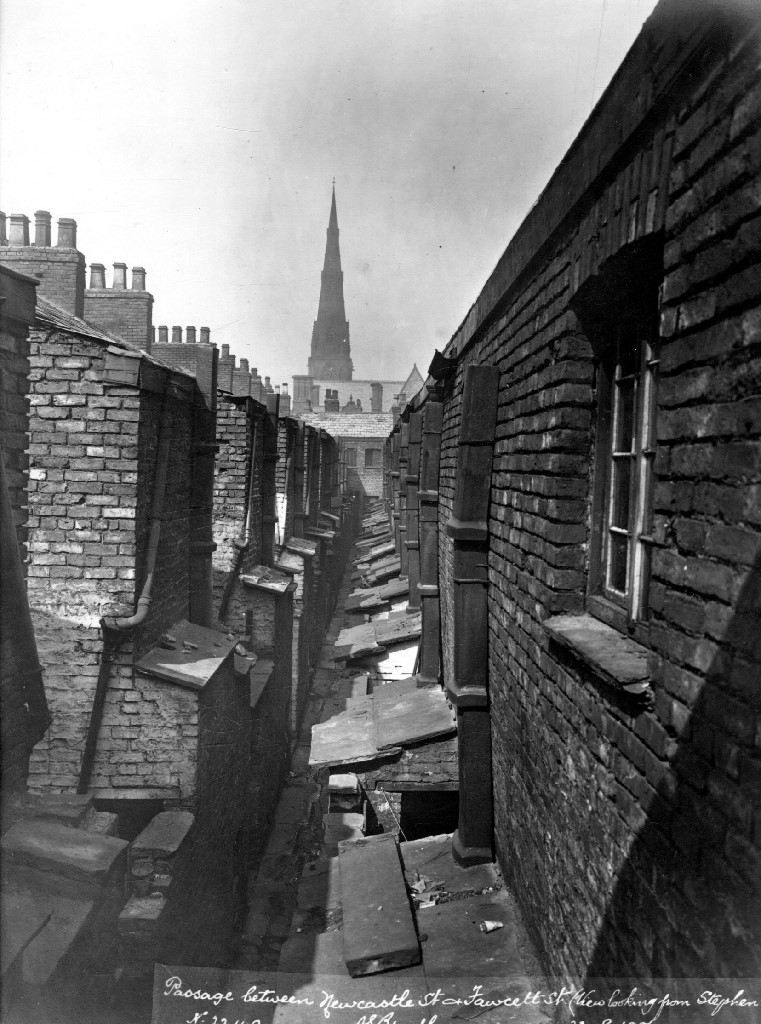
Until the late 18th century the site was farmland but then it was covered with dense terraced housing. The housing stock was progressively demolished in the early 20th century to make way for industrial and warehouse buildings, which themselves went out of use by the close of the 20th century.
Pre-Construct Archaeology London was originally commissioned to research the archaeological potential of the development sites and five years later was engaged to carry out an archaeological evaluation.
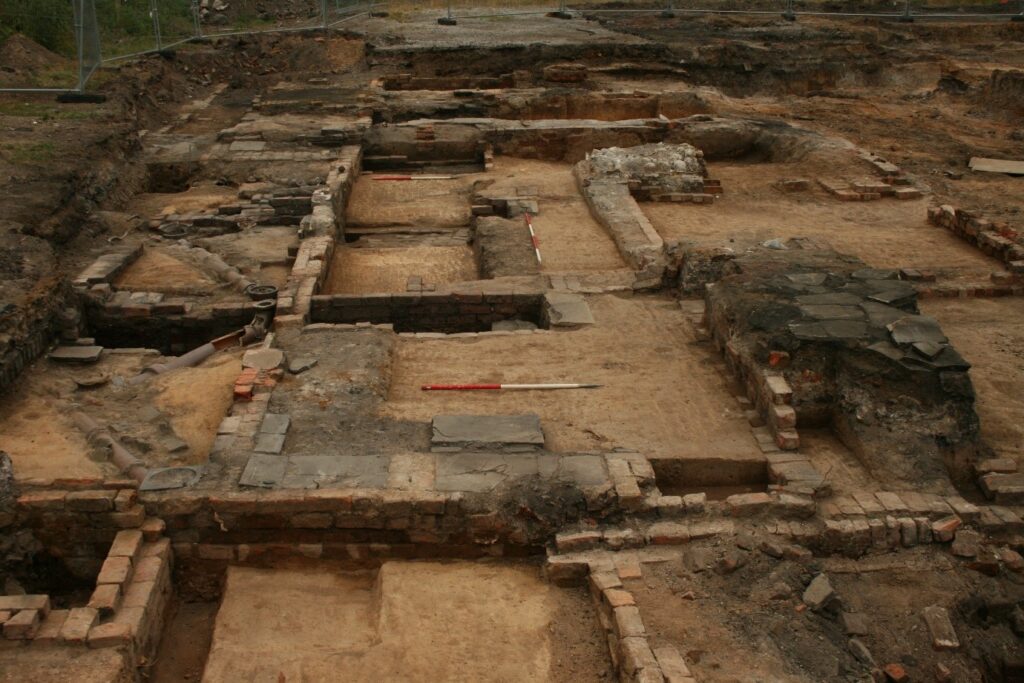
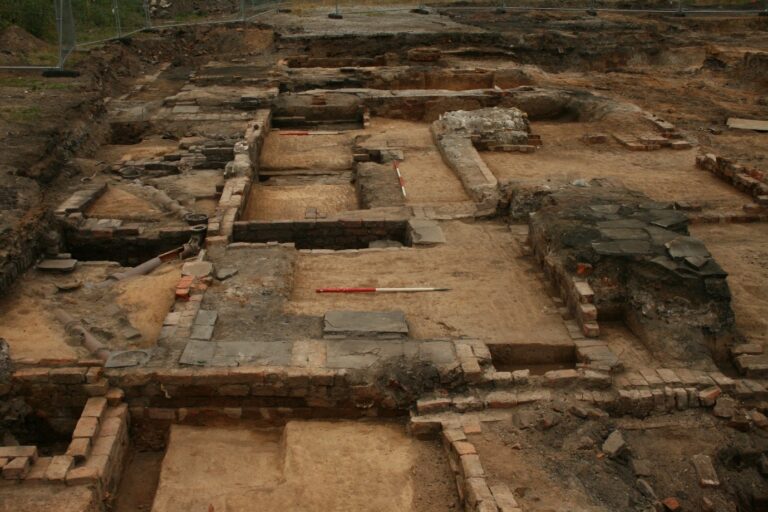
Initially a six trench archaeological evaluation was undertaken and revealed a variety of remains interpreted as workers’ houses, and Greater Manchester Archaeological Advisory Service (GMAAS) required more extensive investigation. Several phases of Strip, Map and Record (SMR) exercises have been undertaken, the most recent in 2023.
These provided an opportunity to investigate the physical remains of the development and urbanisation of this part of Manchester during the late 18th century and in particular, the examination of a complex area of workers’ housing, a key characteristic of this new urban landscape, and the evolution of the buildings and associated infrastructure.
By the 1930s the general dilapidation in the area led to the need for widespread clearance and redevelopment. Sub-division of properties, including cellars, accelerated from the late 18th century and the excavations demonstrated this. For example, cellars revealed evidence of the blocking of doorways and the creation of partition walls within existing room to create separate smaller dwellings.
In 1853 cellar dwelling was outlawed by the Manchester New Streets Act and the Manchester Waterworks and Improvements Act 1867 set a minimum window size which required landlords to renovate, recondition, or change the use of existing back-to-backs.
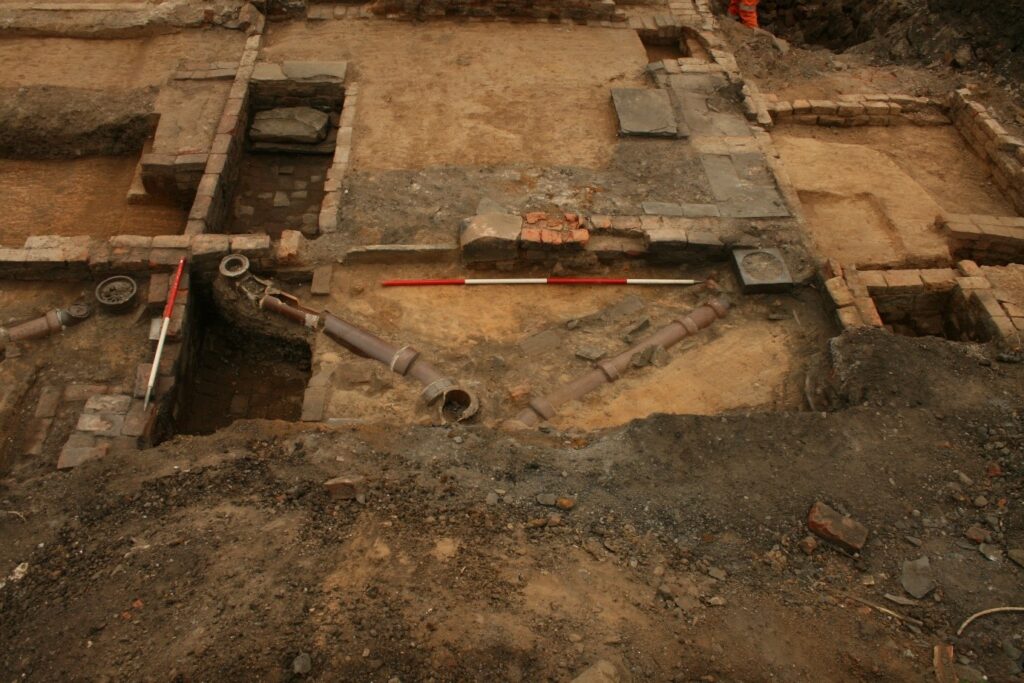
The results of the excavation revealed the remodelling of terraces and alleys to enlarge yards, lay drains, and repurpose basements to non-residential functions such as storage.
In the early 20th century, programmes of slum clearance were initiated, and the excavations revealed their clearance and replacement by factories and warehouses, also subsequently demolished.
The excavations provided an opportunity to investigate and record both the poor conditions of the working-class people who drove the Industrial Revolution in Manchester, and also the incremental efforts to improve them. Results of the excavations form the basis of a number of technical reports and will help promote better understanding of Victorian Manchester.