Former Harold Wood Hospital
Romford, LB Havering
Greater London
RM12 5QT
United Kingdom
Map
Sorry, no records were found. Please adjust your search criteria and try again.
Sorry, unable to load the Maps API.
Description
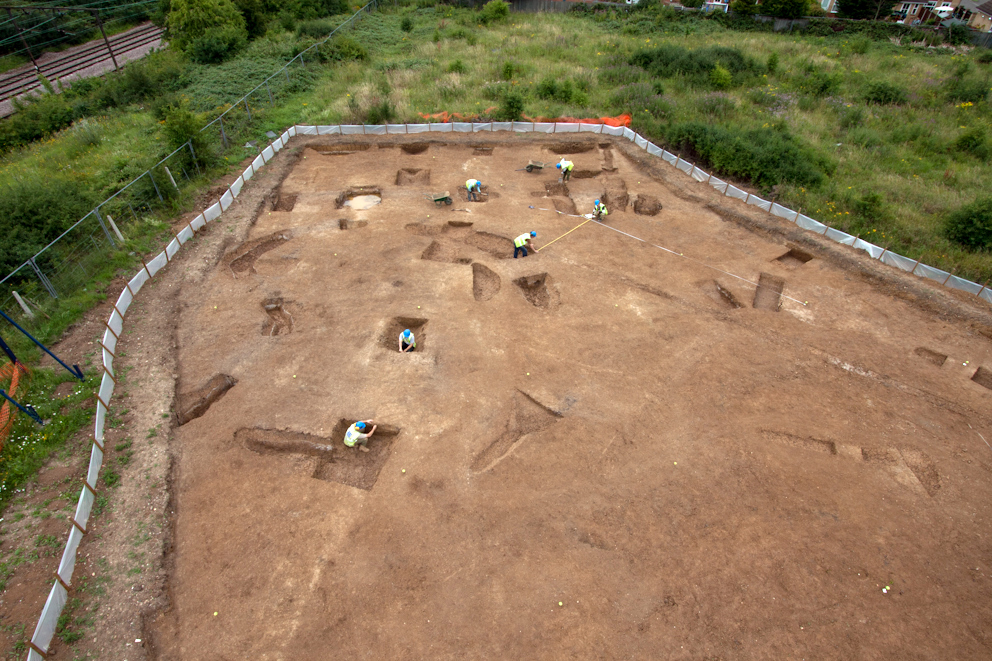
The 15ha site of the former Harold Wood Hospital was the subject of a series of non-consecutive archaeological investigations by PCA London. Much of the land was open, with the central part of the site occupied by buildings associated with the former hospital.
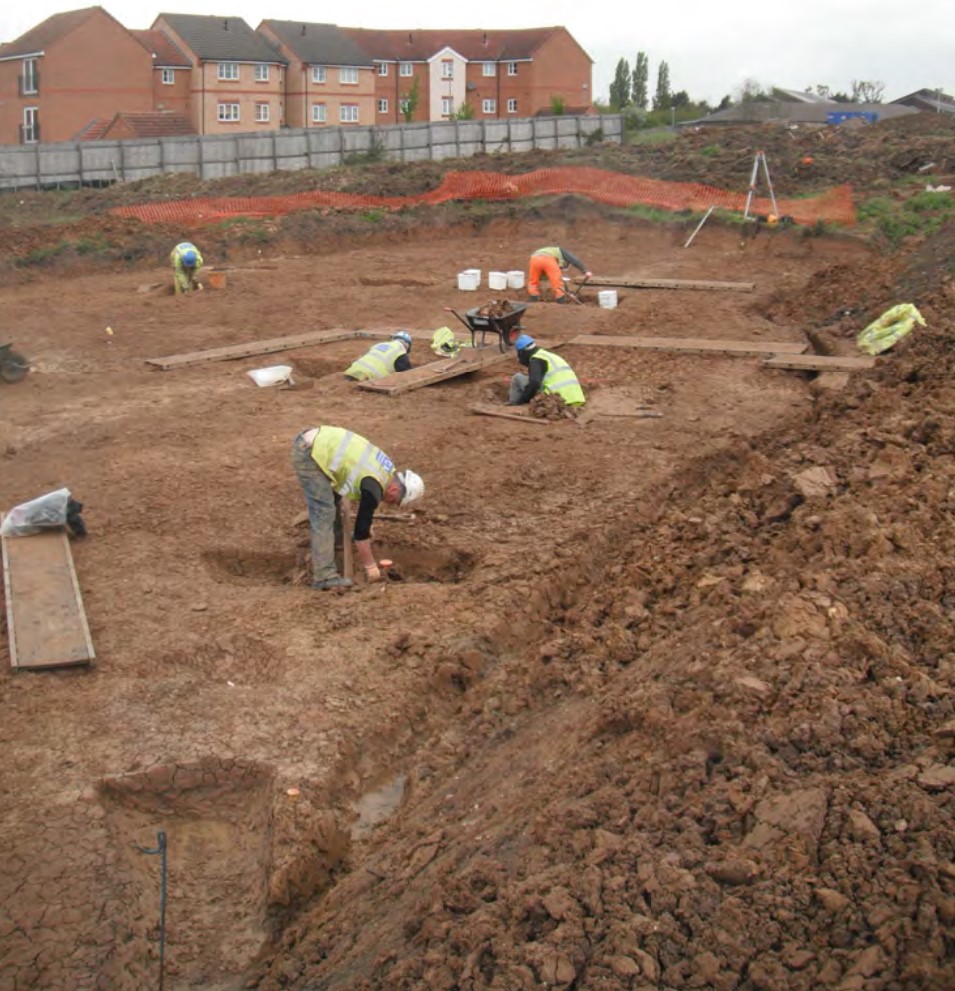
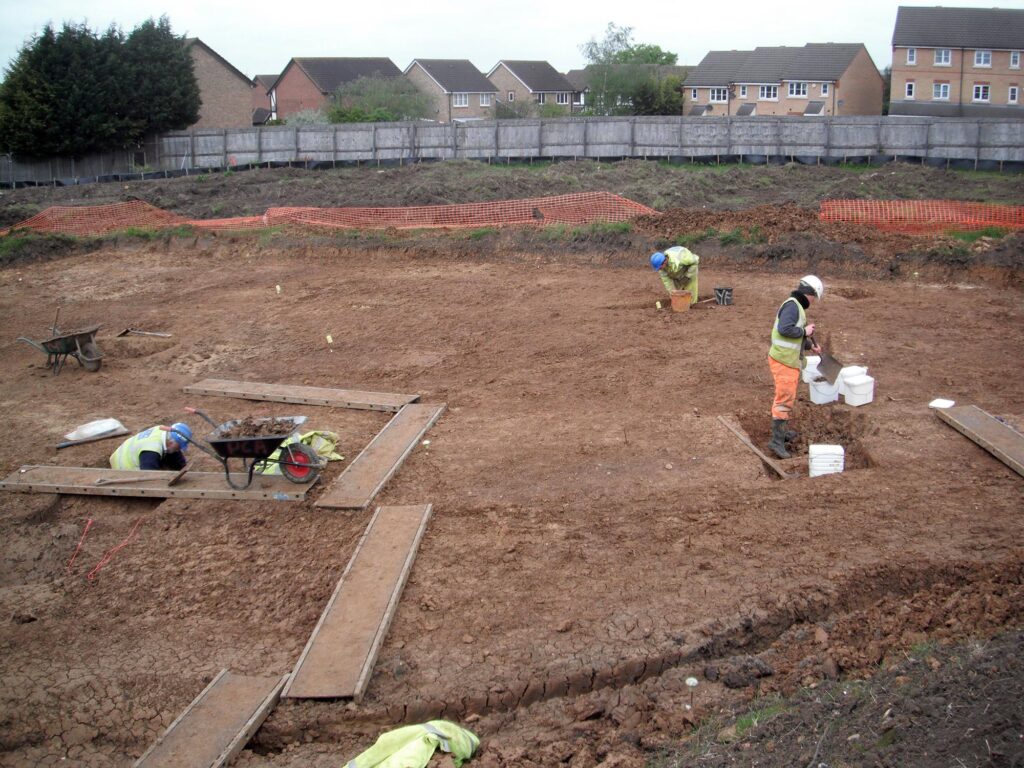
Archaeological ‘Strip, Map and Record’ excavations were conducted as a way of quickly and efficiently investigating the large areas under consideration, ensuring development could continue without undue delay.
Previously excavated sites in the surrounding area mostly reflect Bronze Age and Iron Age activity, although the London to Colchester Roman road (followed by the route of the present day A12) to the north of the site, and a Roman roadside cremation cemetery to the north-west of the site also indicate Roman activity in the area.
The results of the excavations revealed three main phases of land use, beginning in the Late Bronze Age / Early Iron Age (from around 800 BC) and continuing up to the Romano-British period (to around AD 400).
The Late Bronze Age / Early Iron Age activity was represented by a number of enclosures, in some areas marked by double ditches, and pits and postholes some of which contained pottery classified as of the ‘post Deverel-Rimbury tradition’.
A second phase of activity dating from Late Bronze Age / Early Iron Age to Late Iron Age / Romano-British was identified, with some of the earlier ditches replaced with new ones on a different alignment. These ditches were larger and contained late Iron Age or Romano-British pottery. The realignment of the ditches suggests land boundaries were altered in this later phase. Evidence of activity associated with the ditches was lacking.
The final Late Iron Age / Romano-British phase of activity was marked by four enclosures.
Finds recovered from the site included pottery fragments and also worked flint tools. The flint tools appeared to have been produced on an ‘ad hoc’ basis from local material as needed, for instance to serve as a knife. The generally unworn condition suggests they were discarded after use. Most of the later Iron Age / Romano-British pottery was domestic, locally made and generally low-grade quality.
Public outreach from the excavations has included an article in the London Archaeologist magazine synthesising the results of all the excavations as well as technical reports submitted as part of the planning conditions.