Fulham Palace
LB Hammersmith and Fulham
Greater London
SW6 6EA
United Kingdom
Map
Sorry, no records were found. Please adjust your search criteria and try again.
Sorry, unable to load the Maps API.
Description
Fulham Palace, the former residence of the Bishops of London, is a Grade I Listed Building, with parts of the current structure dating from the late medieval period. It lies on the banks of the River Thames within a former moated area, now infilled, and the two form a Scheduled Monument. The palace and its grounds are open to the public and are managed by the Fulham Palace Trust.
Activity within Scheduled Monuments is strictly managed under the Ancient Monuments and Archaeological Areas Act 1979 and subsequent National Heritage Act 1983. This requires that works adopt a presumption in favour of preserving remains in situ, which calls for a slightly different approach by archaeologists supporting activities likely to disturb remains. Pre-Construct Archaeology Ltd London has undertaken a number of investigations at Fulham Palace and its grounds since 2003 and has built considerable knowledge and experience of the site and its requirements.
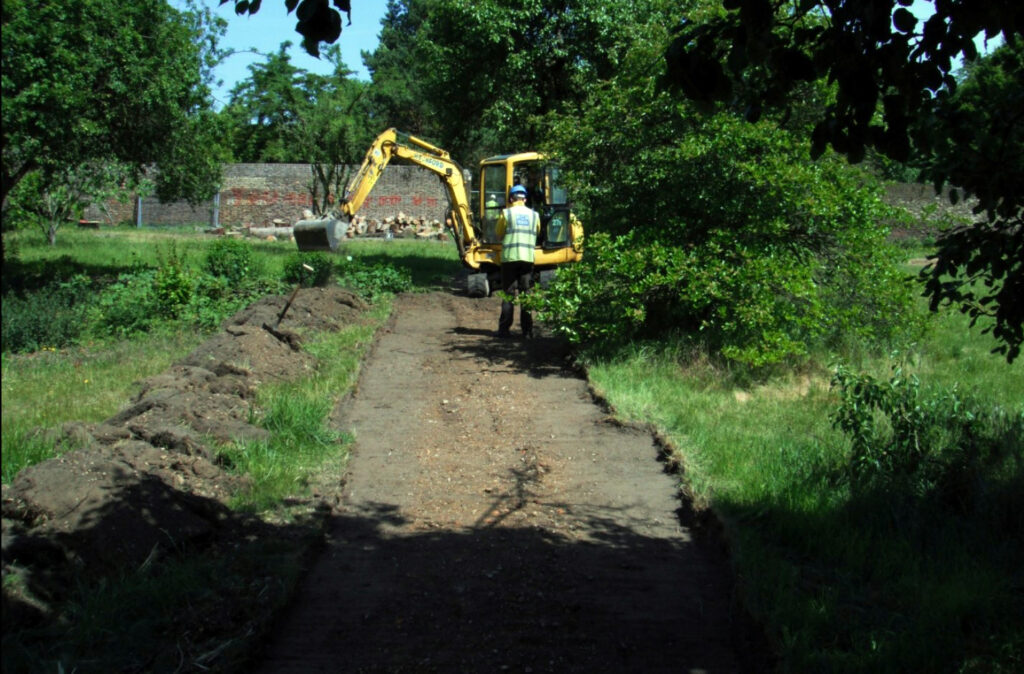
Between 2003 and 2016 PCA undertook watching briefs, a limited number of controlled archaeological excavations, and a historic building recording project including parts of the Palace building itself and structural elements such as the walls of the Walled Garden.
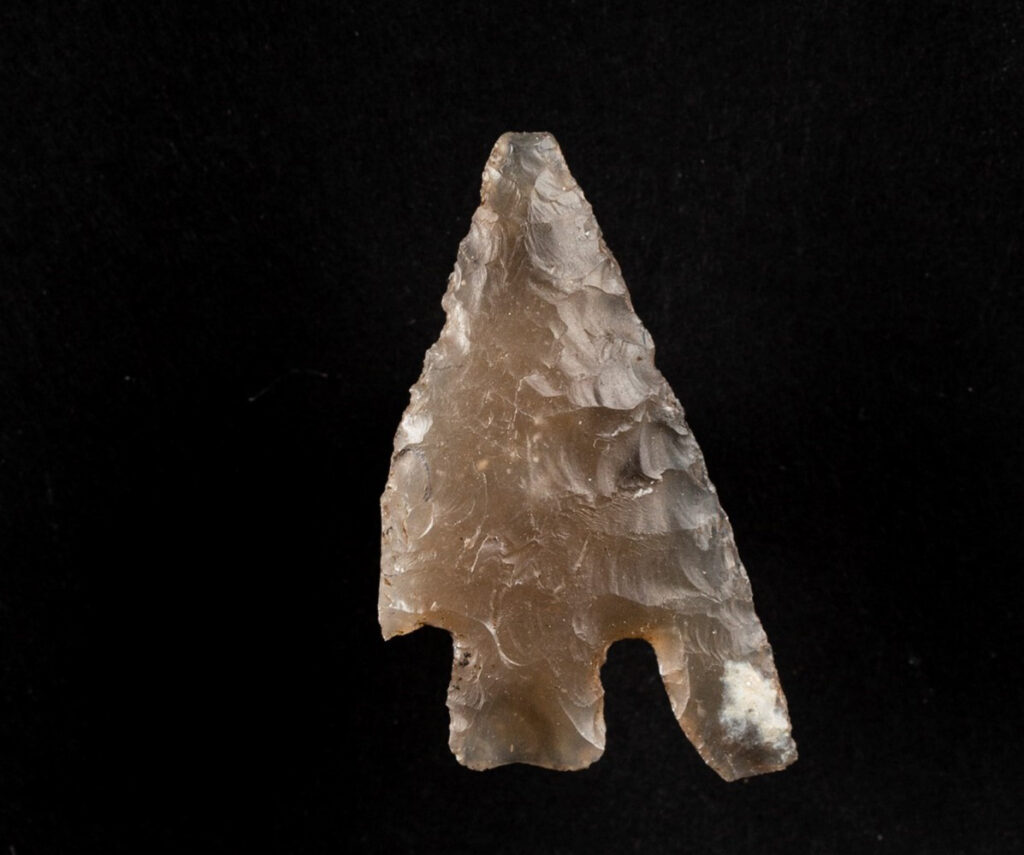
A total of 333 trenches were excavated and these investigations revealed a complex and multi-phase history of the site. A possible prehistoric pit together with residual Mesolithic/Early Neolithic struck flints and Bronze Age pottery hints at an extended prehistoric presence on the site.
Roman pits or ditches and a posthole add to the growing evidence of extensive Roman occupation of the site.
Medieval features included the double ditches of the original palace sub-moat enclosure, ditches, rubbish pits, a hearth and associated structure and a well and remnants of masonry which may represent the remains of the palace buildings which moved from the sub-moat enclosure during the 13th century. Timbers located within the moat probably represent the remains of an early bridge. Finds included decorated stone fragments, pottery, worked bone, and glass and metal objects.
The development of the palace during the post-medieval period was also well represented. Possible late medieval foundations of the Great Hall were revealed and Tudor elements of the palace within the West Courtyard range of buildings, the room later known as Bishop Sherlock’s Dining Room, the area of the palace kitchens and the State Wing were all observed together with remains of the contemporary ancillary buildings such as the Housekeeper’s Wing and the Granary.
Modifications to the main palace and the ancillary buildings in the 18th and 19th centuries were observed across the site and include the rebuilding of the East and West Courtyards, the construction of Bishop Sherlock’s Dining Room and its conversion of it into a kitchen, the remodelling of the stables and construction of the Barn, Gothick Lodge, Coachman’s Lodge, vinery and bothies, the Moat Bridge and the Walled Garden. A variety of archaeological investigations indicate that the moat originated as a natural stream channel. It showed evidence of backfilling in the 18th, 19th and 20th centuries.
The results of the investigations have been propagated as technical reports, papers for academic journals and in the case of the restoration project, as a PCA monograph. Alongside this, the preservation and public display of excavation results at the palace represents a good opportunity to engage directly with a wider audience for the results of archaeological investigations.
London Archaeologist Vol. 11, No. 12 2014
Transactions of the London and Middlesex Archaeological Society Vol. 71 2021