Hatton Turnor House, Hampshire
Shedfield
Hampshire
SO32 2HN
United Kingdom
Map
Sorry, no records were found. Please adjust your search criteria and try again.
Sorry, unable to load the Maps API.
Description
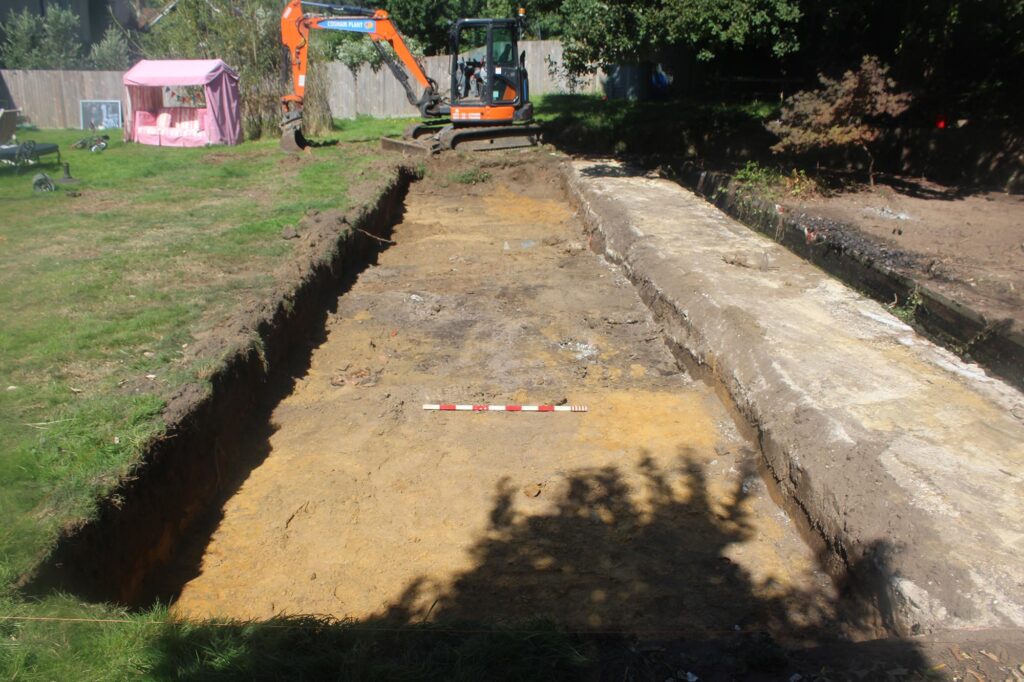
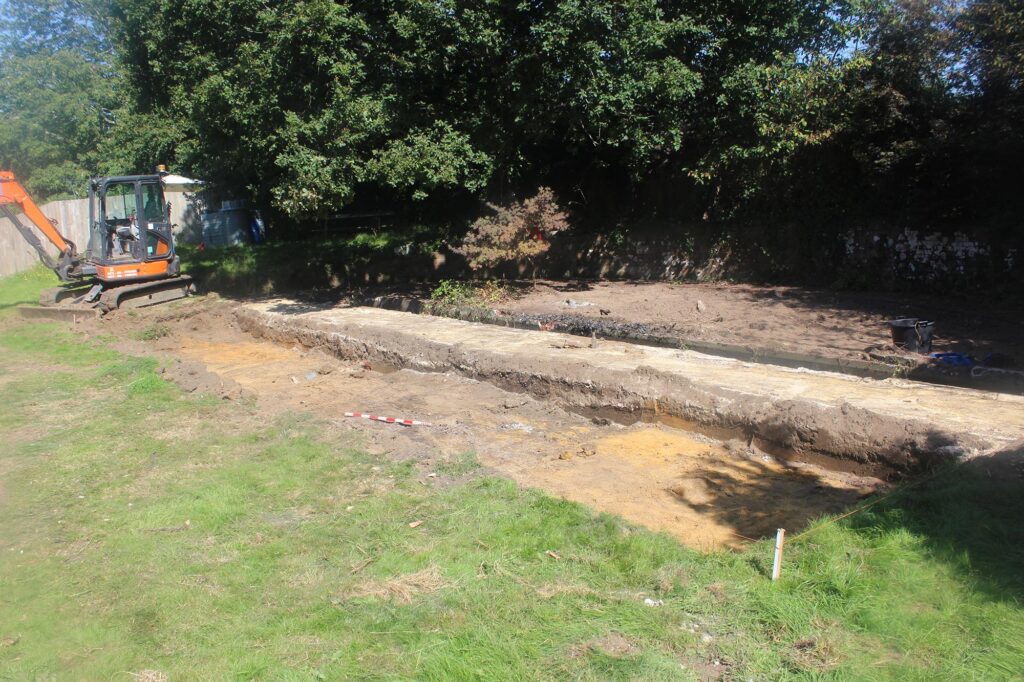
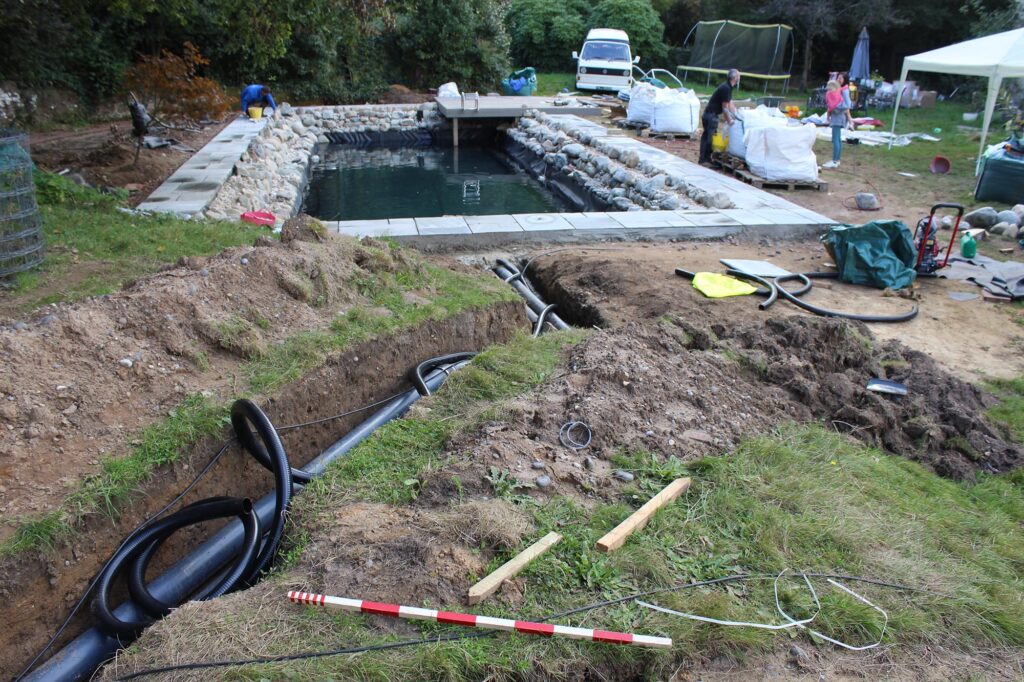
PCA Winchester was commissioned to carry out an archaeological watching brief (monitoring and recording) at Hatton Turnor House in Shedfield, Hampshire. The site is the subject of planning consent for an enlarged pond and associated services/engineering works.
The watching brief and subsequent report were required as conditions of planning consent and the requirements were based on advice of the council’s Historic Environment Team archaeologist and reflected the potential the site had to contain archaeological resources that may have been put at risk by the works.
The site lies within the village of Shedfield in Hampshire and Hatton Turnor House and its curtilage is Grade II listed and forms one half of the original Shedfield House, divided in two in 2016.
The site lies within an area of high archaeological potential. The alignment of a long-distance Roman road from Winchester to Chichester is located just to the east and remains associated with a probable Romano-British settlement site have also been identified in close proximity. These included a large boundary ditch and a complex of smaller ditches and postholes which are likely to represent the remains of timber buildings, together with large quantities of early Roman pottery, quern stone fragments and slag, which may be suggestive of iron smelting activity. The presence of potential Roman industrial remains is significant as the surrounding area is known to contain many Roman pottery kilns. The Grade II listed Hatton Turnor House / Sheffield House originated as an early 16th century lobby entry house, built on the site of an earlier house and subsequently extended. Previous archaeological investigations just to the east of the house have located a large square brick lined pit which contained a large amount of 18th century domestic rubbish, including pottery, porcelain, table glass and wine bottles which are indicative of the resources and status of the occupants. The presence of early Romano-British rural settlement remains and the post-medieval features suggests that further buried archaeological remains may be present within the area.
The aim of the watching brief was to monitor groundwork for the proposed pond extension and any associated services/engineering works and investigate and record archaeological resources that were identified, taking account of the date, nature, extent of the resources that have been identified, particularly those of Romano-British date or related to Shedfield House. The report aimed to provide sufficient information to demonstrate that the watching brief was carried out in fulfilment of the conditions of planning consent.
A large amount of modern disturbance was recorded in the centre of the excavation area and despite previous archaeological findings in the vicinity no archaeological deposits were observed.