Inner Temple, City of London
City of London
Greater London
EC4Y 7HL
United Kingdom
Map
Sorry, no records were found. Please adjust your search criteria and try again.
Sorry, unable to load the Maps API.
Description
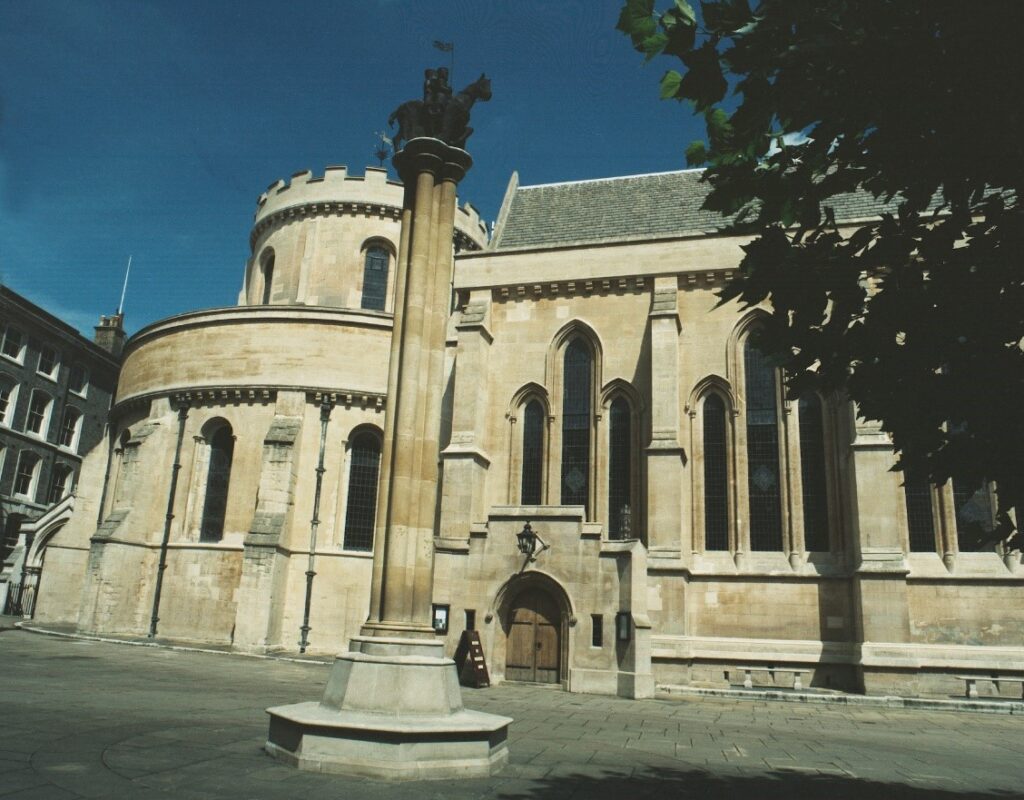
The Inner Temple is one of the four Inns of Court and has its origins in the establishment of a church and associated buildings by the Knights Templar in the 12th century. It became associated with lawyers after the site had passed into the control of the Knights Hospitallers following the suppression of the Templars in the early 14th century. The site has been subject to a number of destructive events, including its sacking during the Peasant’s Revolt in the medieval period, suffering in the Great Fire of London and being heavily bombed during the Second World War.
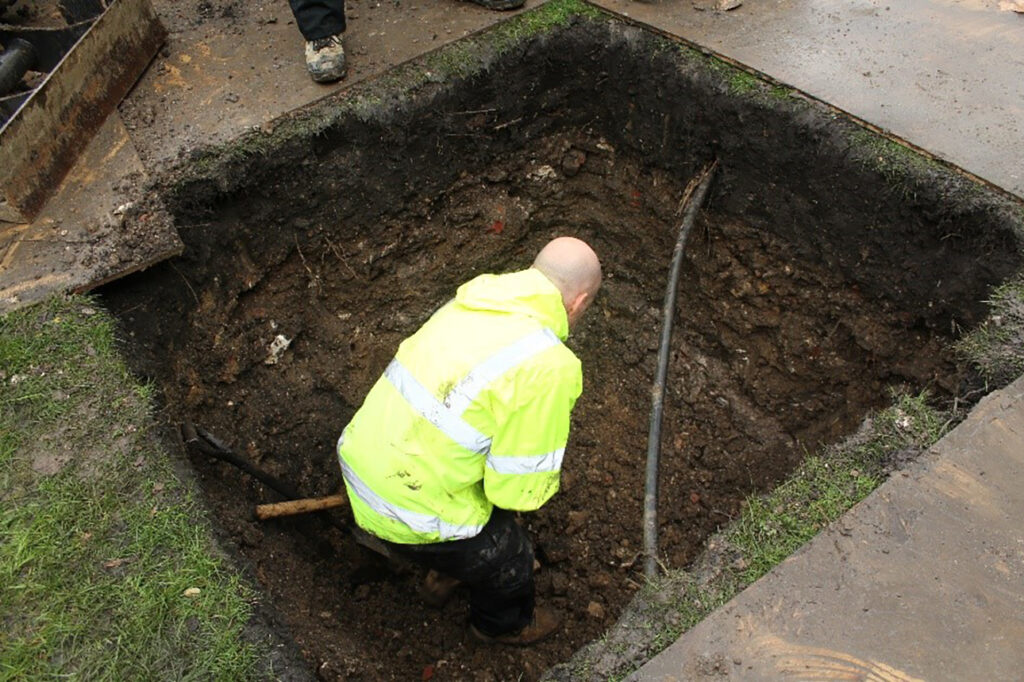
Pre-Construct Archaeology has undertaken a long-running sequence of archaeological investigations at the Inner Temple since 1999, commencing with an evaluation prior to the establishment of a monumental column and four trees in Church Court. Significant archaeological deposits were encountered, and an excavation was conducted the same year. This was followed by an excavation in Hare Court in 2000 and further investigations were undertaken in 2017 and 2019 around the Treasury building and the Inner Temple Garden. The most recent work, undertaken between May 2022 and March 2023, was at the Farrar Building.
The projects have revealed evidence for occupation on and around the site from prehistoric times onwards, with evidence for Roman activity, a possible Saxon cemetery and building activity from the 11th century to the present.
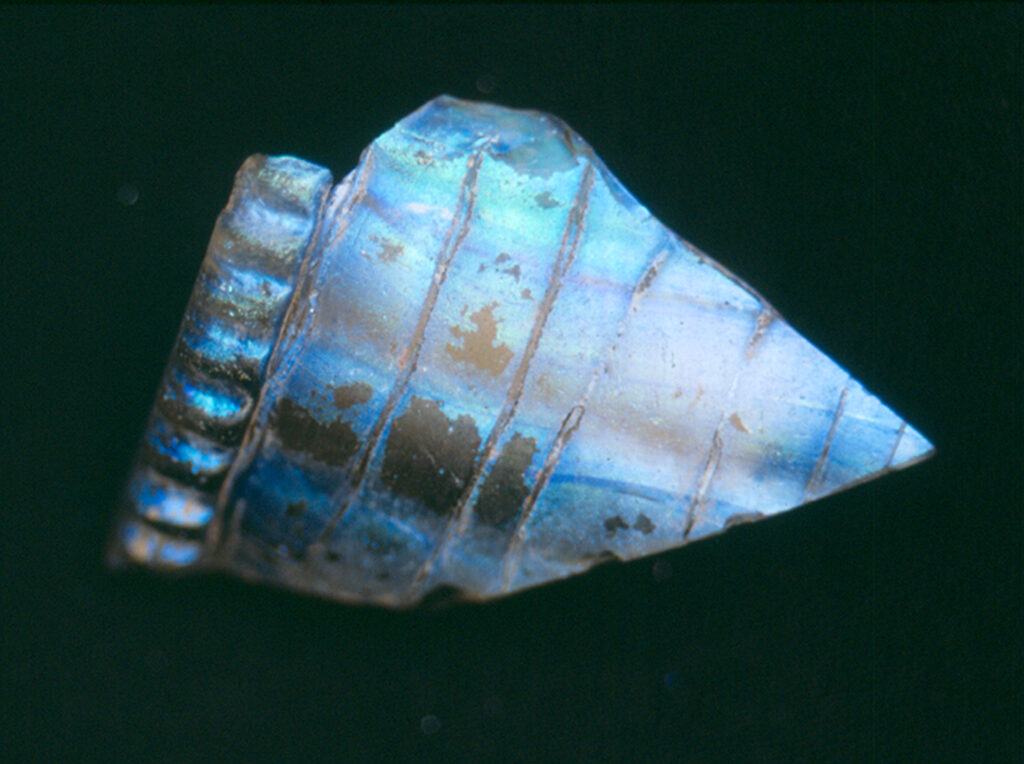
The Hare Court Saxon cemetery, including an inhumation with grave goods, added significantly to knowledge of Middle Saxon funerary practice and similarly dated features at this site included structural elements and a well. The high-status nature of some of the finds from the well, together with rare evidence of glassmaking, suggest that this was an important part of a Saxon settlement, possibly representing an eastern extension of Lundenwic.
An 11th or 12th century quarry pit and cobbled courtyard associated with either the Bishop of Ely’s Inn or the New Temple was also revealed in Hare Court. The Temple Church, which was built 1161 – 1185 was remodelled 1220-40: the eastern cloister of the remodelled church was identified archaeologically in Church Court. Distinctive evidence of the lawyers’ occupation of the Temple in the 16th and 17th centuries was present in both courts and provided evidence of the diet and wealth of the lawyers during this period.
Skeletons found in the Temple Church cemetery were of surprisingly young age at death and revealed an unusually high incidence of tooth decay. The discovery of three pieces of printing type in Hare Court provide one of the earliest finds of such material from an archaeological site in the United Kingdom.
The archaeological investigations were often undertaken in a working environment with all professional legal activities continuing without interruption.
Results were disseminated in a variety of ways, including public lectures, articles and reports, and an academic monograph detailing the 1999 excavations, PCA Monograph 4: Saxons, Templars & Lawyers in the Inner Temple.