Jubilee House, Stratford
London
Greater London
E15 1AN
United Kingdom
Map
Sorry, no records were found. Please adjust your search criteria and try again.
Sorry, unable to load the Maps API.
Description
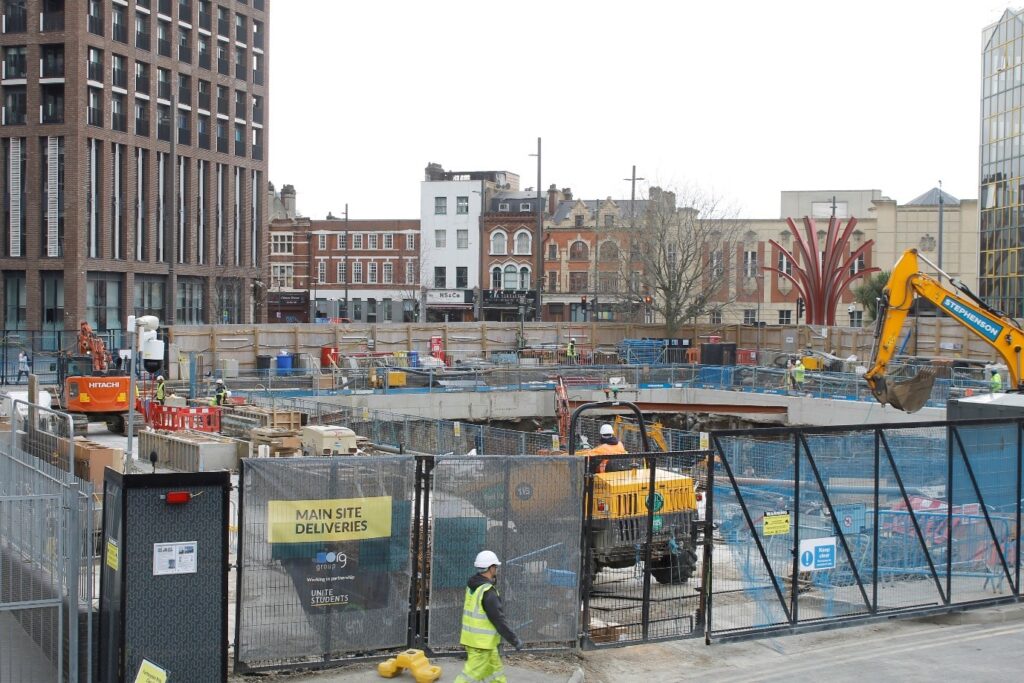
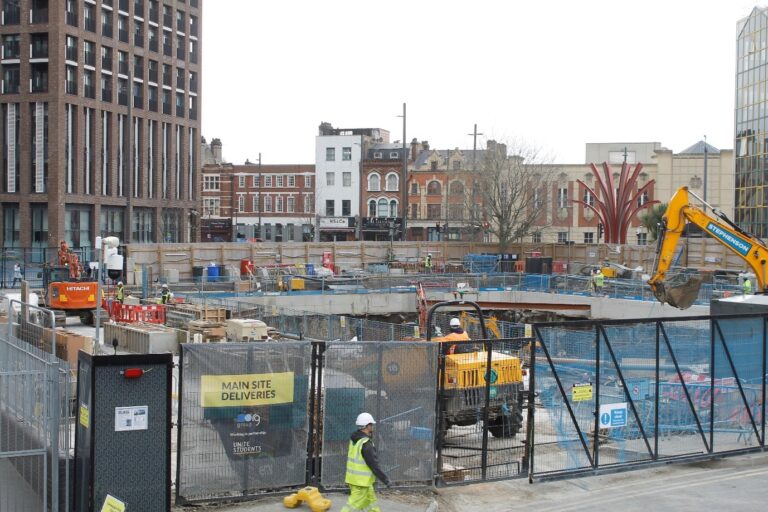
The Jubilee House site was in an area of Stratford close to the railway station, within the administrative area of the London Olympics Legacy Development Corporation.
The project involved the demolition of Jubilee House, ground reduction on the site by around 2m, and the removal of piled foundations.
Pre-Construct Archaeology Ltd London was engaged by RG Group to discharge archaeological conditions on the planning application. An evaluation was undertaken to assess survival of archaeological features and deposits which revealed medieval and later features and led to a full excavation, undertake in two phases.
A total area of nearly 0.5ha was opened for archaeological excavations. The depth of excavation and the requirement at times to work alongside heavy plant meant that close cooperation with the principal contractor was needed to ensure safety was not compromised, and the archaeology and construction works could proceed as quickly as possible. Bombing of the area during the Second World War meant the possible presence of unexploded ordnance was also a concern, with specialist UXO contractors attending full time. Excavation in each phase continued area by area, with areas handed back to the principal contractor as they were completed to allow groundworks to be undertaken, preparing the site for piling.
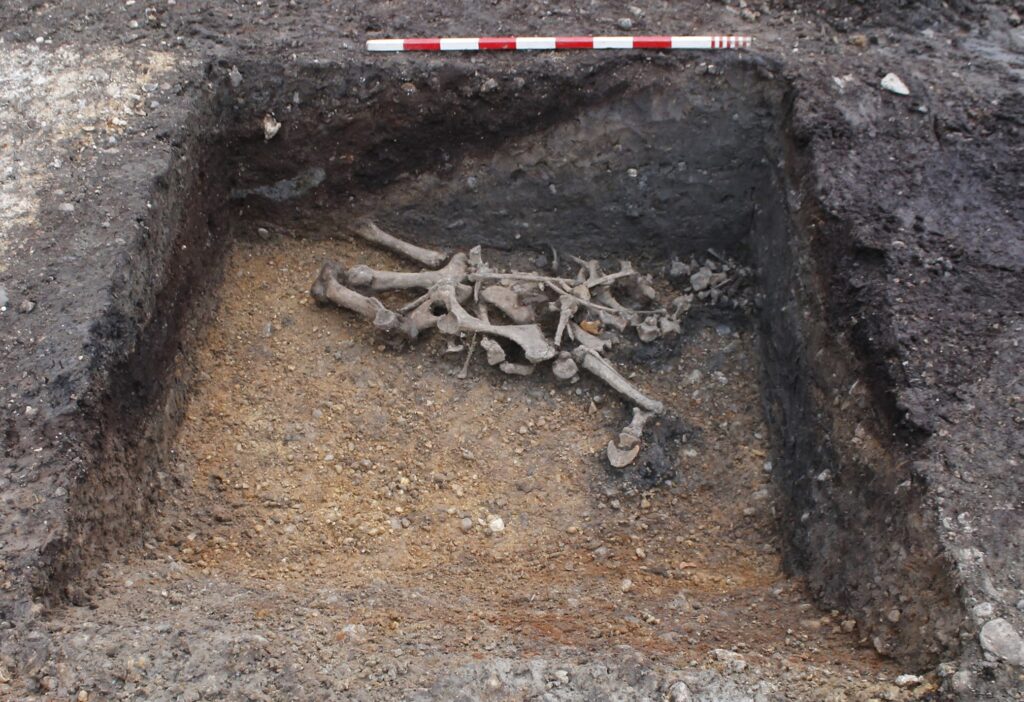
Archaeological features were uncovered across the near entirety of the excavated areas. The majority appeared to date to the late-medieval or early post-medieval period (15th or 16th century AD). A handful of pits and gully features may have been associated with medieval settlement. There were also large pond-like features, infilled with organic material, with the skeleton of a pony found dumped in one, while another was sealed by a thin but densely packed layer of horn cores. Three smaller pond-like features, possible docking bays off the Channelsea River which ran through Stratford in the medieval period, were found along the southern limits of excavation.
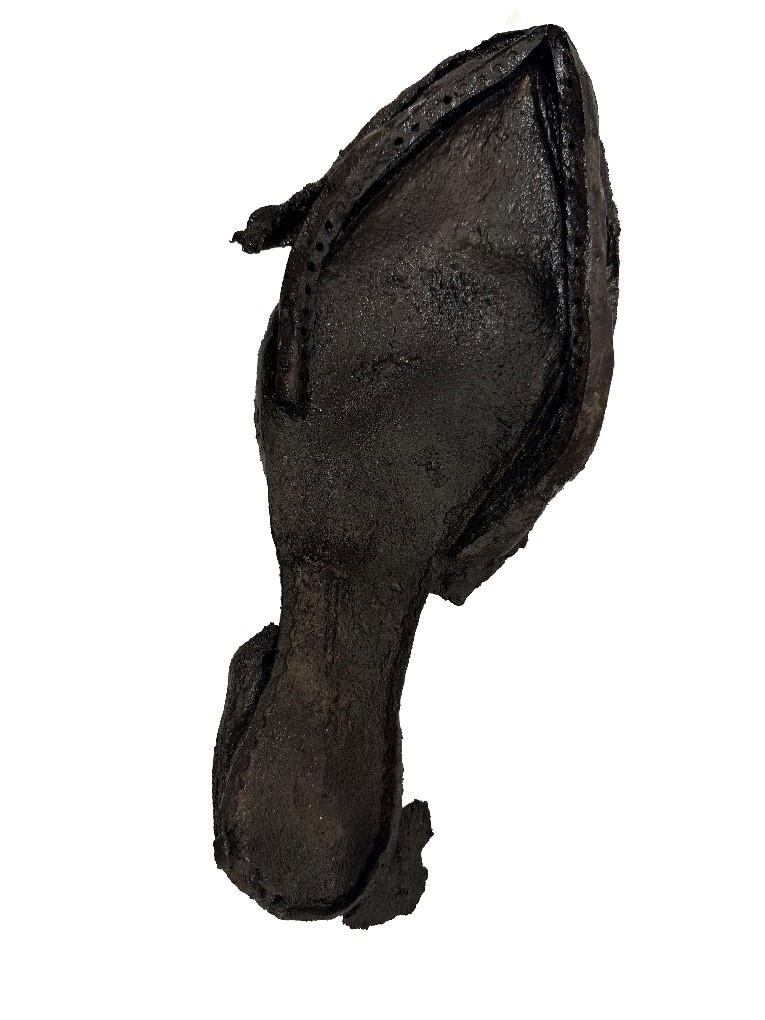
A substantial number of the features appeared to be component parts of a late medieval tannery. Three large pits had post holes and timber planking at their base and could have held sizable wood lined tanks. A group of three or four adjacent features on the west side of the site appear to have held circular wooden vats, probably recycled barrels. Several pits all contained lime or were lined with lime – a substance employed in various production processes, including the disinfection of hides. Six parallel rows of features spanned across the entire northwest area, all containing a similar series of organic rich layers. These potentially formed ‘layerways’ – pits where leather was left to tan, potentially for over a year. The remains of a wooden box-drain were also discovered. A sizable quantity of leather was found throughout the site, including several near-complete shoes, and some fragments embossed with floral patterns.
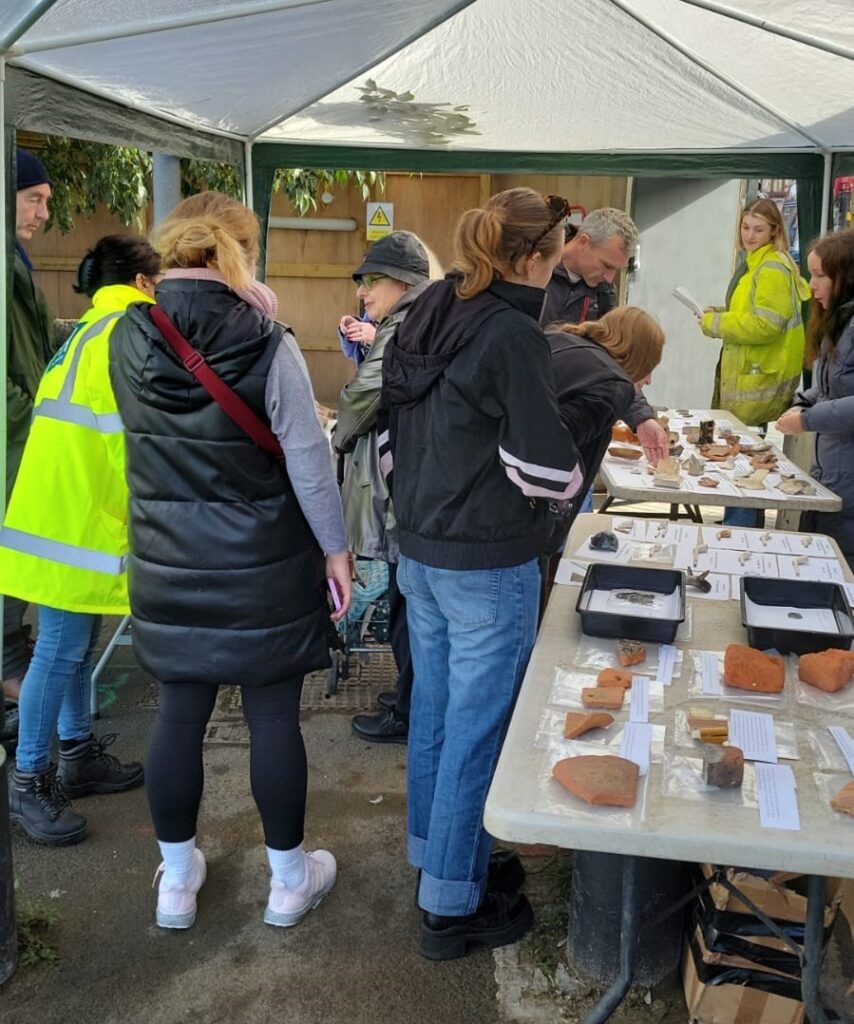
Public outreach by PCA in conjunction with the developer included an open day during the excavations showcasing finds to the local community. The results of the excavation will be published in an academic journal.