Kensington Palace
Royal Borough of Kensington and Chelsea
Greater London
W8 4PU
United Kingdom
Map
Sorry, no records were found. Please adjust your search criteria and try again.
Sorry, unable to load the Maps API.
Description
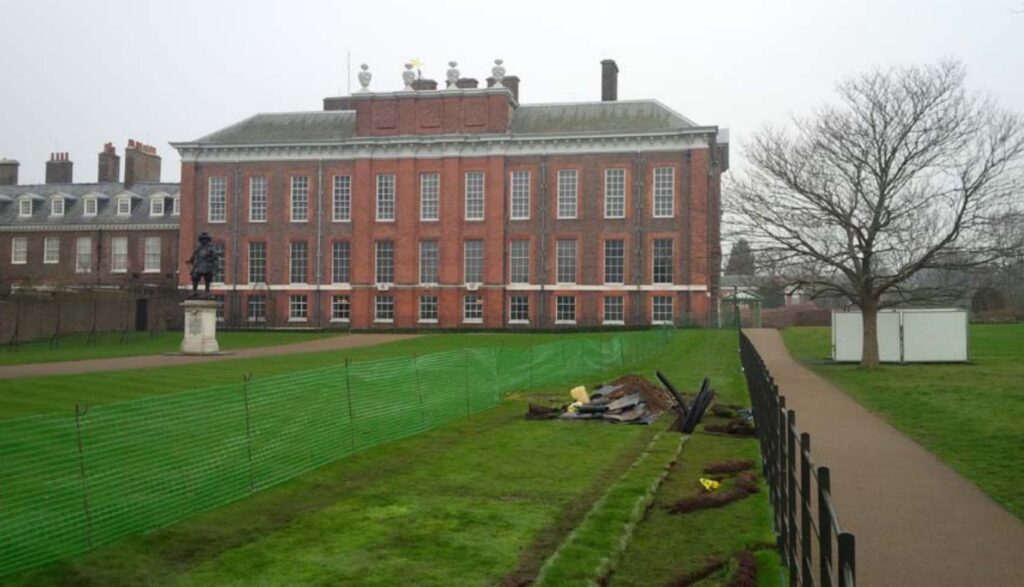
Kensington Palace is a Scheduled Monument and a Grade I listed building, in addition to being within the Grade I listed Kensington Gardens. Both gardens and palace form part of the Kensington Palace Conservation Area. These listings impose strict conditions on any renovation or conservation works. Pre-Construct Archaeology London has been involved in several archaeological projects in the grounds of the palace: Orangery Yard, Orangery Lawn, South Front Lawn, North Paddock and the King William III Lawn.
Kensington Palace, originally a mansion house built in 1605, known as Nottingham House, was remodelled and added to by Christopher Wren in the 1680s as a residence for King William and Queen Mary and has been a residence of the British Royal Family since.
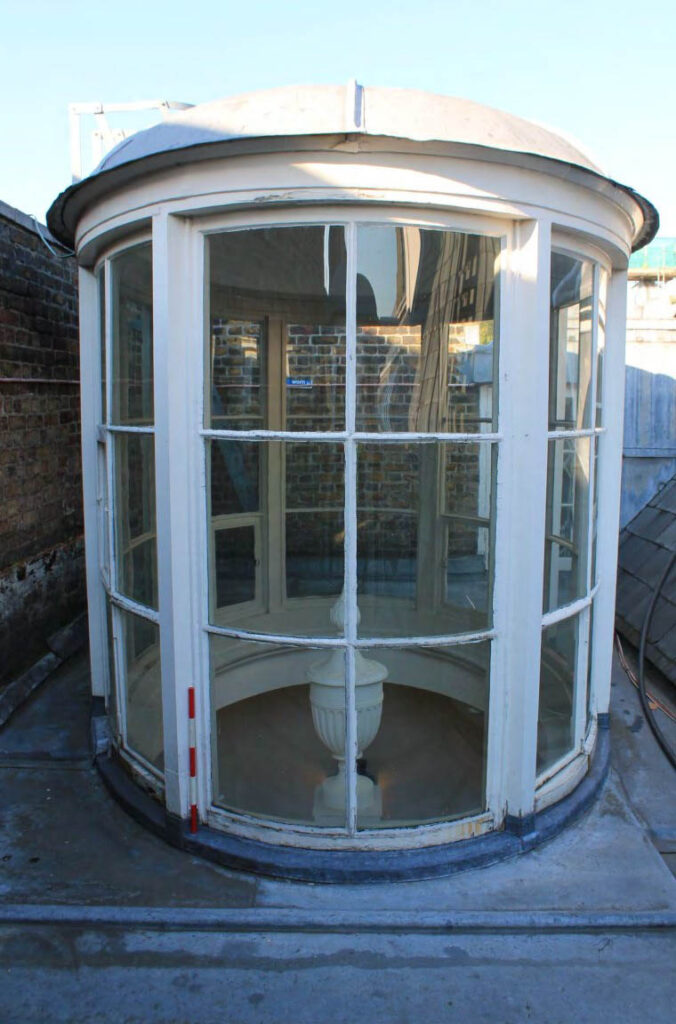
PCA was commissioned to undertake archaeological monitoring during various conservation and improvement works to different parts of the building and as well as historic building recording and monitoring repairs to the palace roof lanterns.
The archaeological monitoring gave glimpses of the layout of various parts of the palace grounds from the 18th century onwards, details of which, with some exceptions, have generally not survived as plans or descriptions from the time. In some cases, it was possible to identify landscaping elements thought to be associated with the original Jacobean manor house which pre-dated the palace.
A number of wall foundations were observed, generally interpreted as garden features such as ornamental walls marking the edge of planting plots, some of which could tentatively be matched to documentary records of work by designers of the day, such as Henry Wise, Master Gardener, the Surveyor-General of Gardens and Waters for George I.
Historic Building Recording took place of the Roof Lanterns situated above the King’s State Apartments of the Palace, which had fallen into disrepair and needed urgent conservation work.
The lanterns were constructed between 1807 and 1808, and were part of James Wyatt’s remodelling of the south-east corner of the palace.
Results from the various archaeological investigations have added to the understanding of the history of the Palace and have been the subject of technical reports as well as articles in the London Archaeologist magazine.