M74 Completion, Glasgow
Glasgow
Glasgow City
United Kingdom
Map
Sorry, no records were found. Please adjust your search criteria and try again.
Sorry, unable to load the Maps API.
Description
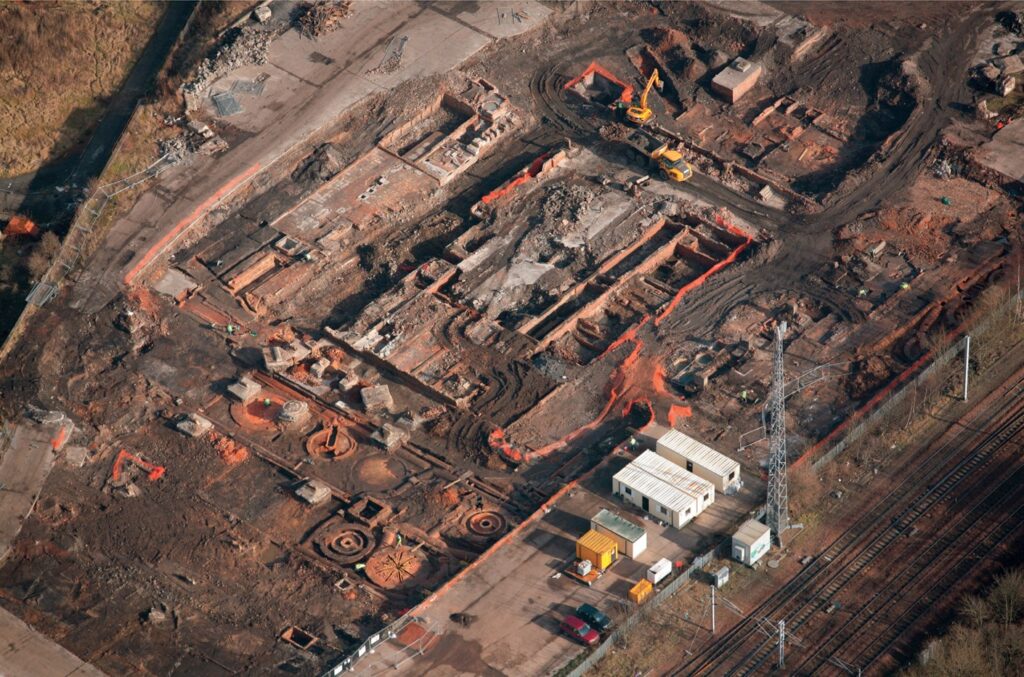
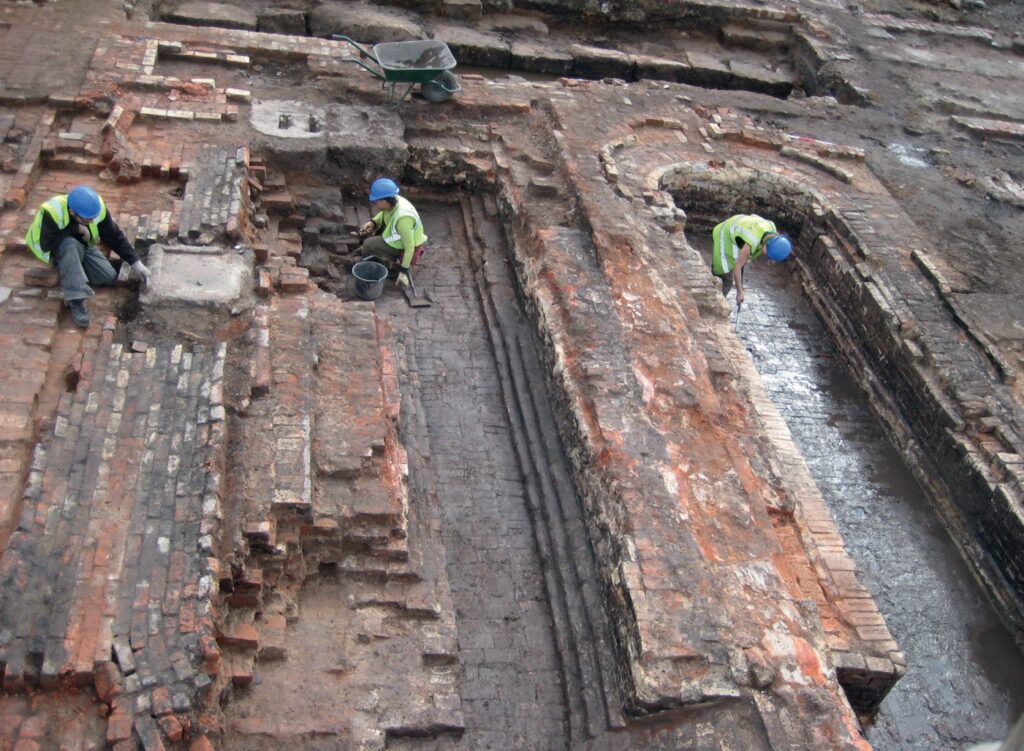
The 8km route of the M74 completion project was the final link to deliver an orbital motorway for Glasgow. This involved the excavation of 16 major sites ranging in date from the late 18th to the early 20th century and including canals, engineering works, lime kilns, pottery manufacturing, railways, textile mills and workers’ housing.
Pre-Construct Archaeology and Headland Archaeology undertook the fieldwork, working in partnership with the M74 Public Archaeology Programme, a public outreach programme which ran alongside the excavations.
The work involved large teams of archaeologists working alongside contractors using heavy plant and often in deep trenches, with safety forming an overriding priority for excavations. The excavations were centred on industrial archaeology from the late Georgian and Victorian era, in many cases with the potential for residual contamination, across a range of urban and rural environments and in all weather.
The sites included former textile factories such as Falfield Mill, the Eastfield Ropery and the Clyde Waterproof Cloth Works; engineering sites such as the Govan Iron Works and the Caledonian Pottery, and domestic sites such as the Kinning Street, Queen’s Park and Pollokshaws Road tenements.
Ten open days were held at different sites, which enabled the public to access the excavations in a safe and controlled environment while work was in progress. Interpretation was provided at all the sites on panels that were updated monthly as new finds were made. At these open days, site tours were given, and finds were on display. Dedicated viewing areas were also available at all the sites so that the public could see the progress of the digs during working hours. Weekly dig diaries were posted on the Transport Scotland website to enable the public to stay up to date with the progress of the excavations after their visit.
Finds from the sites included specialised industrial artefacts such as kiln furniture and wasters from the Caledonian Pottery site, but also everyday domestic objects belonging to the workers.
To successfully deliver this the archaeological team built a very effective working partnership with archaeological partners, works contractors, oversight bodies such as Historic Scotland, and Glasgow City Council. The results of the work were published in a monograph: The Birth of Industrial Glasgow: The Archaeology of the M74. Michael Nevell 2016.