National Maritime Museum
Greenwich
Greater London
SE10 9NF
United Kingdom
Map
Sorry, no records were found. Please adjust your search criteria and try again.
Sorry, unable to load the Maps API.
Description
Founded in 1934 in the grounds of Greenwich Royal Park, the National Maritime Museum occupied former Royal Hospital School buildings and is located within the UNESCO designated World Heritage Site, ‘Maritime Greenwich’. The Grade II listed statue of King William IV lies in the south-west of the site and a small stretch of the Grade I Registered Greenwich Park falls within the southern bounds of the site. Several Statutory Listed Buildings lie in the immediate vicinity of the site.
PCA facilitated the construction of the Samy Ofer wing of the museum within this highly sensitive historical area.
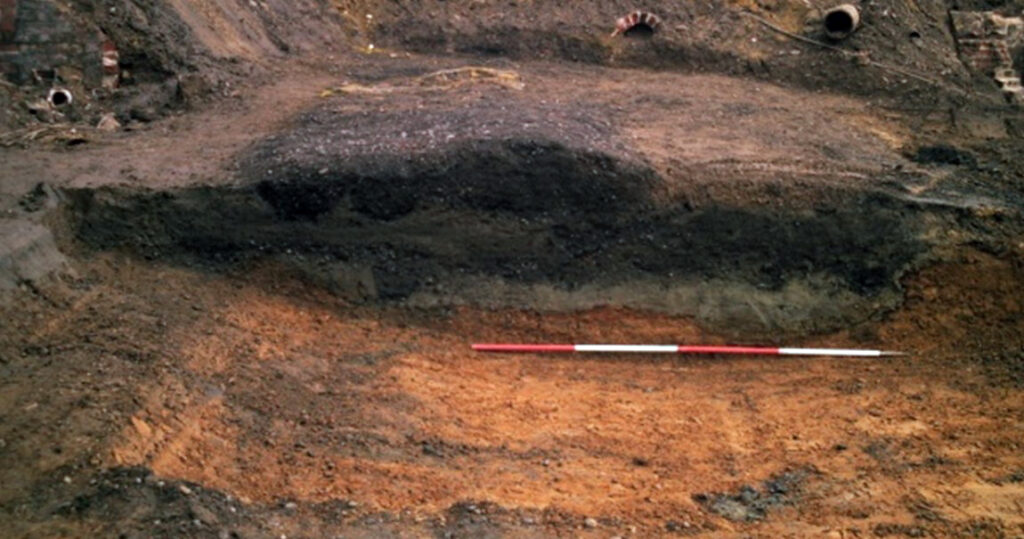
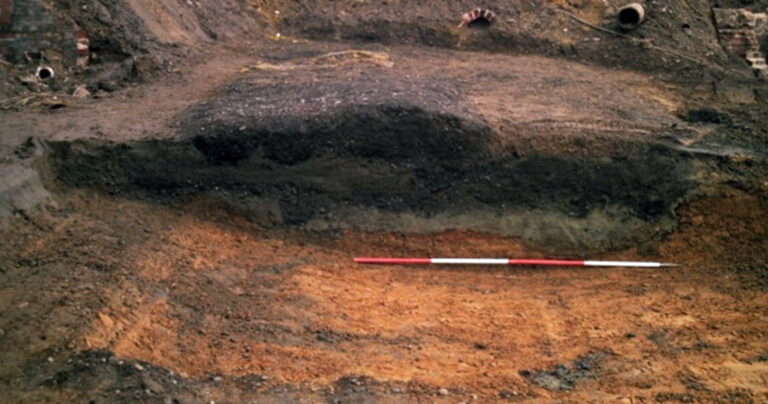
Two medieval pits and a boundary ditch were the earliest features encountered. A section of the main Deptford to Woolwich highway, dating to the 16th century was also observed at the north of the site.
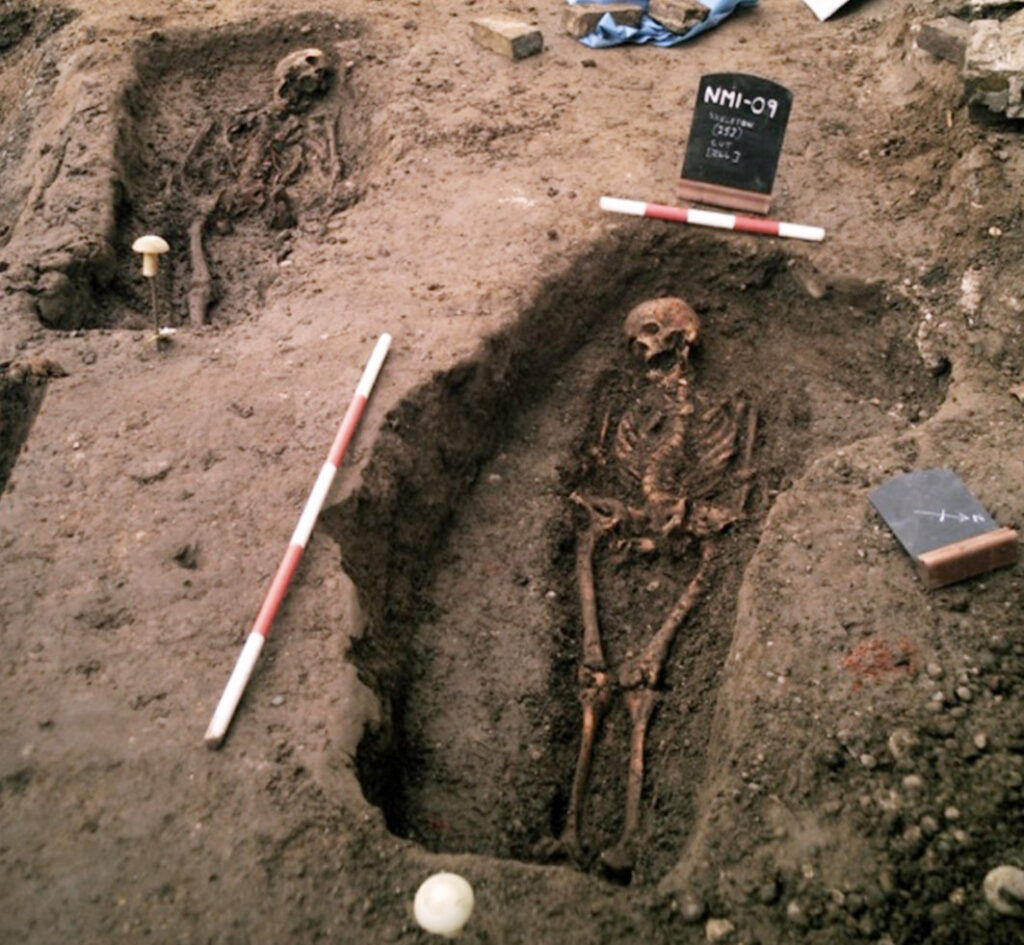
The edge of the road was truncated by burials associated with the Mariners’ Cemetery, where a total of 17 inhumations were recorded in seven grave cuts, with each holding two-three bodies. Other remains of the Mariners Cemetery included two charnel pits and disturbed human bone within a sewer trench.
To the west of the site, in the present-day King William Garden, foundations and crypt walls of St Mary’s Church (built in 1824), were recorded. Within the crypt of the church nine lead coffins were partially exposed during the excavation of a pipe trench. One was dated to 1852 by means of an inscription on its lid. This confirmed documentary evidence that coffins were retained in the crypt of the church once the building was demolished in the 20th century.
The excavations were significant in that they confirmed the location of the Deptford to Woolwich road and facilitated a detailed analysis of the remains of former mariners, which included information regarding their lifestyles, diet and diseases.
Following the excavation a report was produced pulling together the results of the archaeological investigations and the analysis of the burials.