Priory Marina
Bedford
Bedford
MK41 9DJ
United Kingdom
Map
Sorry, no records were found. Please adjust your search criteria and try again.
Sorry, unable to load the Maps API.
Description
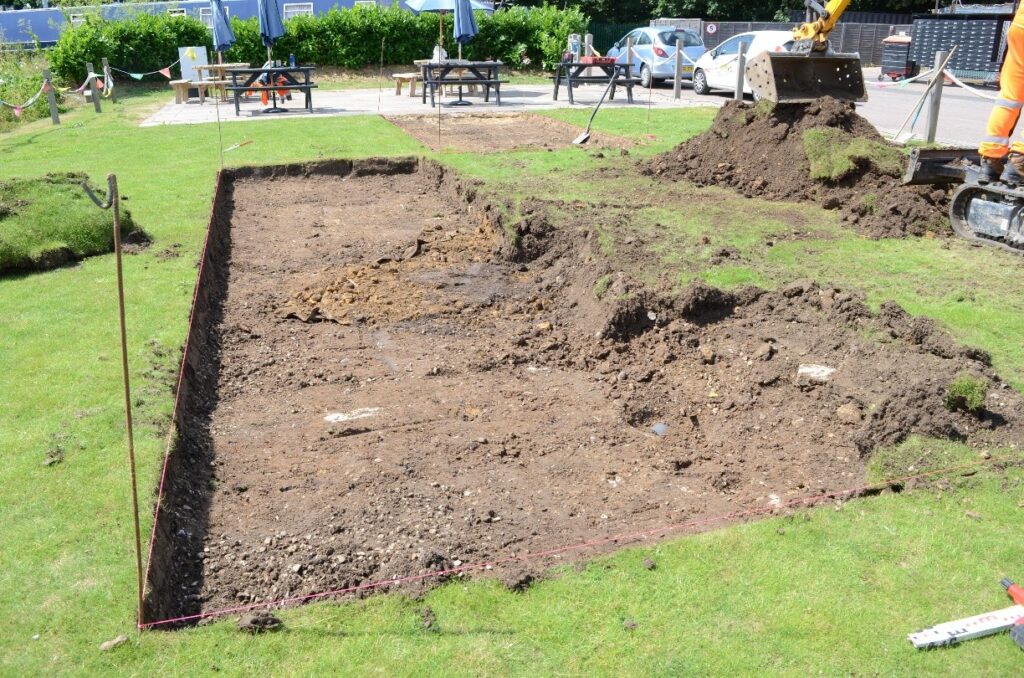
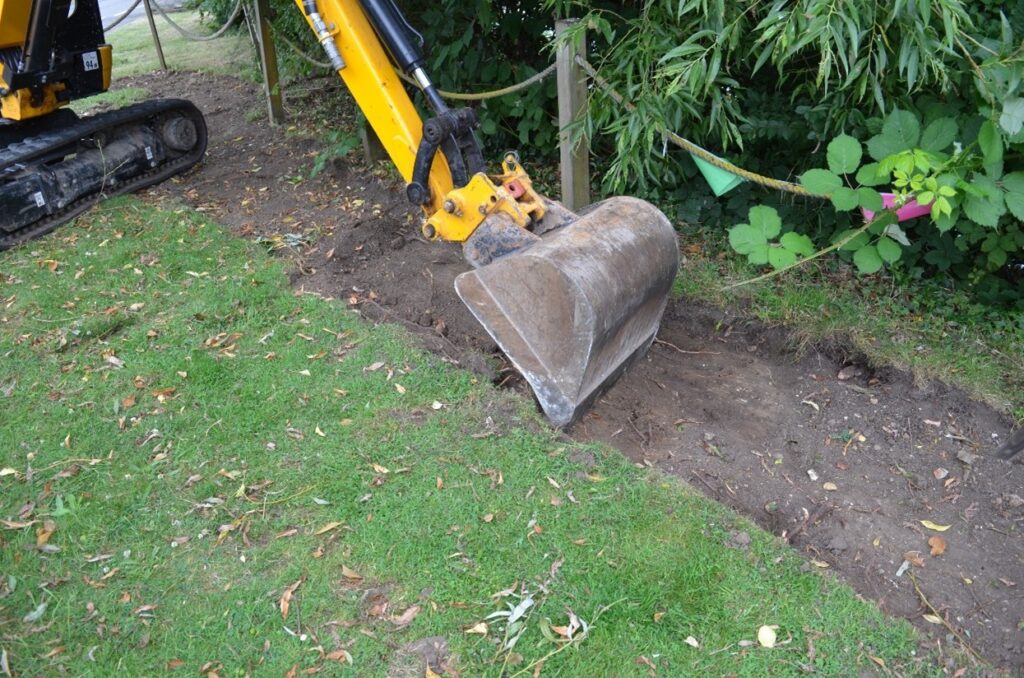
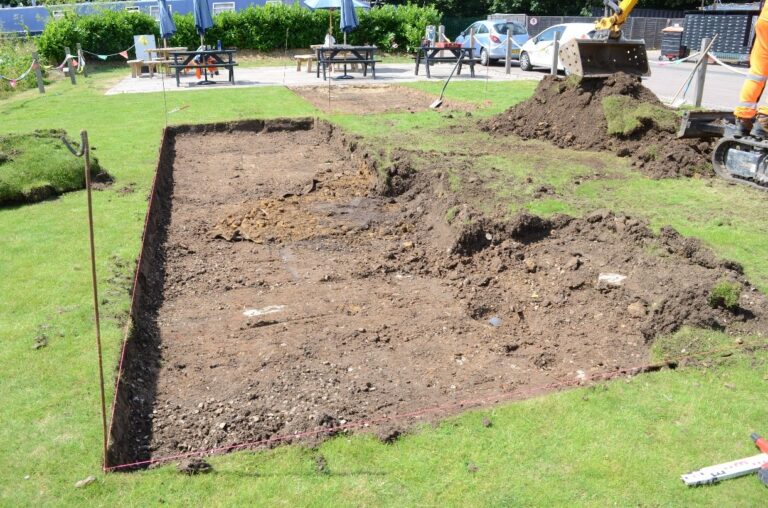
PCA Cambridge undertook an archaeological monitoring exercise at the Priory Marina. The monitored groundworks comprised the excavation of a pit for a septic tank and trenches for pipework connections, the removal of c. 0.15m of turf and topsoil for a pathway and pergola base, new flower beds, and parking, and excavation of postholes for a new automated access gate.
The work was undertaken in response to an archaeological planning condition attached to the consent for development of five floating homes and a new automated access gate and power supply, plus associated small-scale works. Due to the high archaeological significance of the proposed development area, thorough recording, and monitoring of the groundworks, PCA was able to ensure that the client was able to conduct their works whilst adhering with the guidance of the National Planning Policy Framework.
Following the creation of a Heritage Desk-Based Assessment PCA were able to provide the client with the background to the proposed works and an early explanation as to what to expect from archaeological monitoring. This was achieved by cataloguing previous finds, aerial photographs and previous archaeological excavations in the surrounding areas (inclusive of the Newnham Priory, a Scheduled Monument in which the works were set. The Scheduled Monument comprises elements of the 12th-century Augustinian priory, namely the remains of the medieval monastic precinct, Tudor mansion garden walls and fishpond earthworks.
The background research determined that 20th-century gravel extraction and the current marina on the site would have destroyed much of the underlying archaeology, however, the monitoring works revealed evidence of post-medieval activity surviving in the quarried and landscaped location.
The excavations for the Pergola and the flower beds, excavated to a depth of 0.20m into the underlying topsoil, revealed no archaeological deposits. Two service trenches and a trench for a septic tank were excavated to depths of 0.95m and 2.8m respectively. Modern made ground was observed in these areas to a depth of 0.80m, with post-medieval soil deposits underlying it. Two trenches were also excavated for a new automated gate; these were excavated to a depth of 1m, with further post-medieval deposits being recorded. Further small trenches and preparatory works for a parking area were conducted, with archaeological horizons not being exposed during the works due to their shallow nature. The post-medieval deposits encountered were rich in pottery, glass and metal items, which were recovered and catalogued off-site, where conditions allowed for their retrieval. Due to the depths and the proximity to the water associated with the Marina, access into certain trenches was not possible and recording occurred from the top of the excavations.
With organised planning and controlled monitoring of groundworks, the client was able to conduct their works with minimal interruptions or delays. Clear communications from the client enabled effective and efficient site visits by the archaeologist tasked with monitoring the groundworks at the Scheduled Monument.