Quintin Hogg Memorial Sports Ground
LB Hammersmith and Fulham
Greater London
W4 3SP
United Kingdom
Map
Sorry, no records were found. Please adjust your search criteria and try again.
Sorry, unable to load the Maps API.
Description
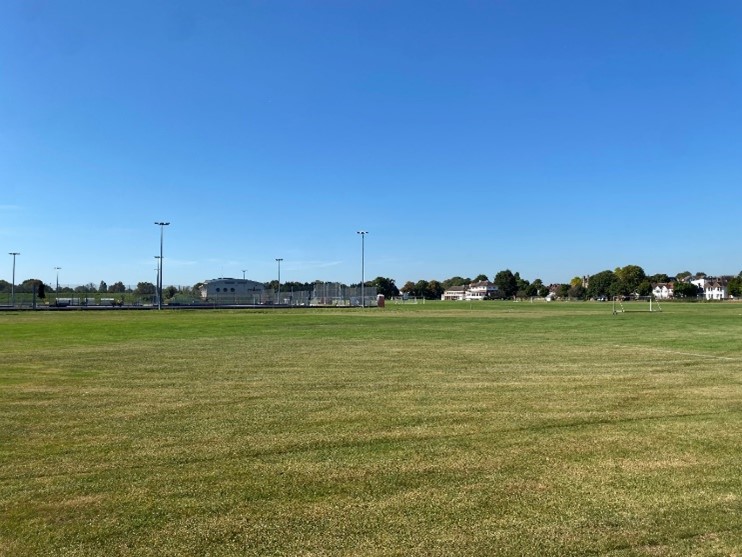
The Quintin Hogg Memorial Sports Ground covers an area of over 13 hectares, providing facilities for football, tennis, hockey and cricket as well as a grandstand, pavilion, gym and fitness amenities. The site lies atop the gravel and sand deposits of the floodplain of the Thames, which, until the medieval period, would have been marshy wetlands. Following the Norman Conquest it remained as open land (as park land, arable or grazing land) and in historic times was part of the estate of Grove House and later Chiswick House. The sports ground itself dates to the 20th century.
Improvements to the facilities included the improvement of the grassed pitches, the redevelopment of existing hockey pitches to provide all weather surfaces and new floodlighting as well as improvements to the amenity buildings.
Pre-Construct Archaeology Ltd London was engaged to undertake archaeological investigations in advance of the proposed improvements. These revealed worked stone tools and pottery dated to the Neolithic period which added valuable information to the desk-based assessment and informed the strategy for mitigating the development.
The creation of the recreation ground in the first half of the 20th century involved the removal of the original soils significant amounts of dumped material used to level the area. This in consequence appears to have removed archaeological features across much of the site
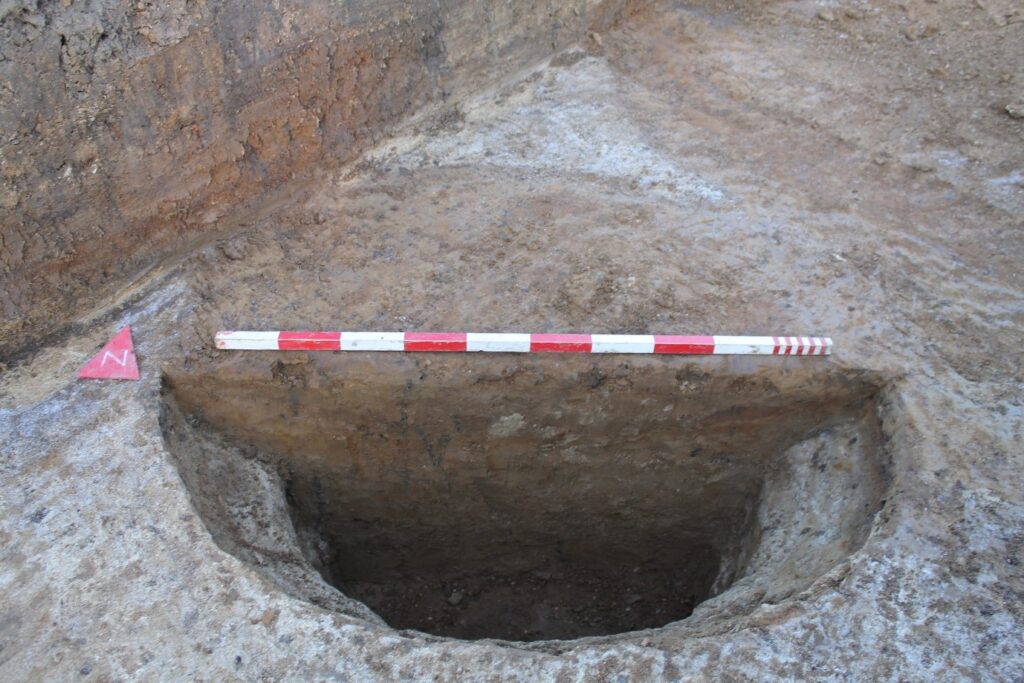
However, in the northeastern area of the site archaeological features were recorded and included pits and ditches, some of which contained prehistoric material. This included a fragment of prehistoric pottery of probable Neolithic date and a large volume of worked stone blades and debitage dated to the early Neolithic period. The flint was very fresh and is most likely to be contemporary with the excavation of the pit containing it.
A large number of pits were found and investigated including interrupted lines of ditches. Post-excavation works are ongoing, but the working hypothesis, based on large numbers of features with vey little dating material, is that these features may represent a cursus, a monumental prehistoric earthwork for ceremonial, sporting or other purposes.
PCA worked with Historic England and the main contractor to help preserve the unexcavated portion of the features in situ.