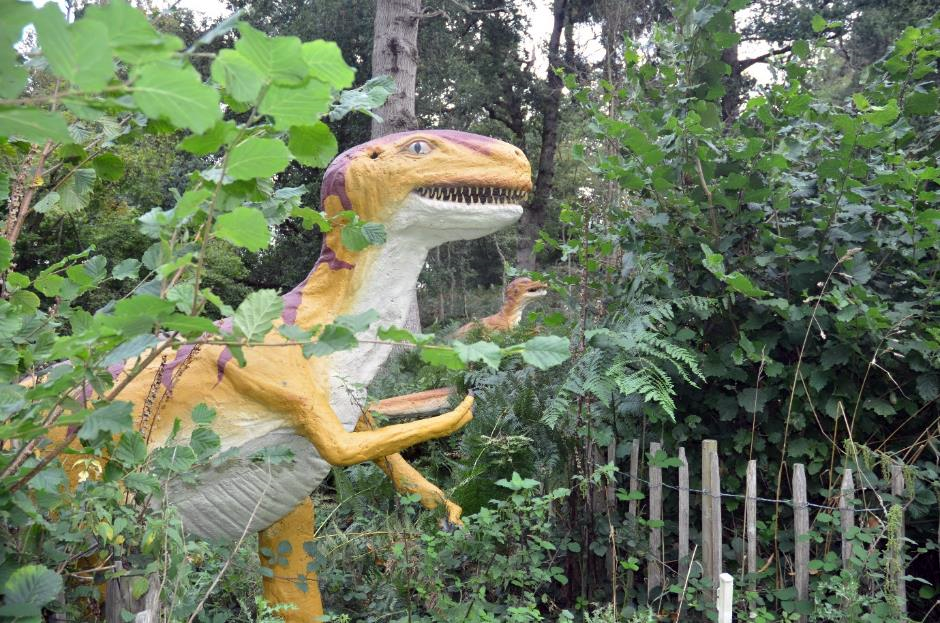
Roarr Dinosaur Adventure
Lenwade
Norfolk
NR9 5JE
United Kingdom
Map
Sorry, no records were found. Please adjust your search criteria and try again.
Sorry, unable to load the Maps API.
Description
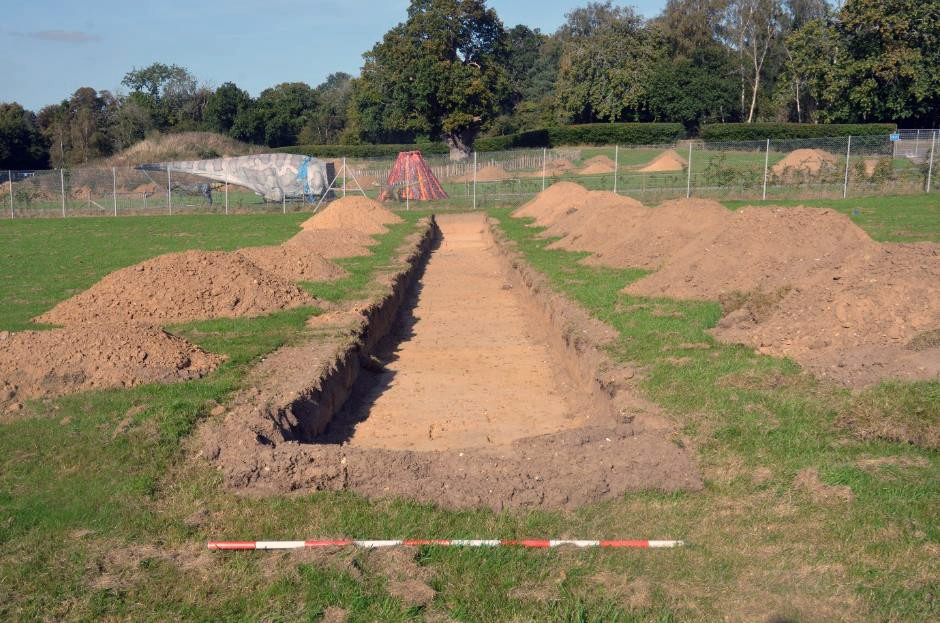
PCA Norwich were commissioned to conduct trial trenching to fulfil planning conditions for an 8.6ha extension to Roarr Dinosaur Adventure. Located within Weston Park in Lenwade, the development proposed new features including rides, facilities, ecological enhancement and landscaping in the park. Thirty-two trial trenches, measuring between 28m and 55m in length, were located around a root protection zone and overlying geophysical anomalies, to test a 3.4ha area of the site. Trenches were adjusted in length and location to fit restricted areas and maintain the correct excavation percentage. Site works were monitored by the Norfolk County Council Historic Environment Team. The trial trenching was preceded by a Desk-Based Assessment (DBA) and geophysical survey which assessed the potential of the site for archaeological survival.
While some Roman material and Saxon activity was recorded around the area of site and noted to be of importance in the Desk-Based Assessment (DBA), none of these field systems, pits or associated finds were identified in the trenching, with most archaeological remains dating to prehistoric and later post-medieval activity.
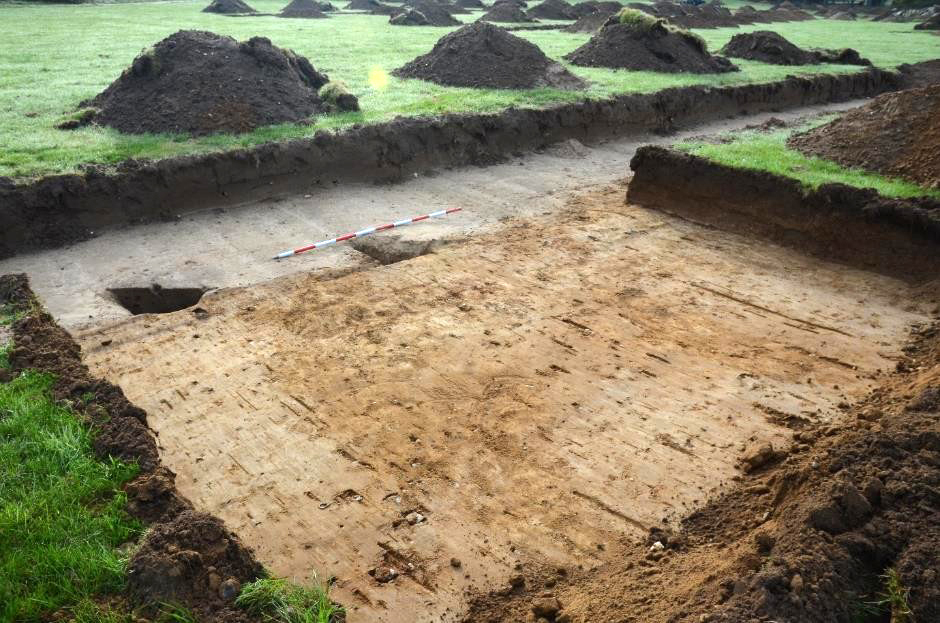
As expected from the geophysical survey, numerous natural and geological features were rapidly identified and tested during the trial trenching. Similarly-coloured, but less irregular features, were identified as prehistoric pits and ditches, with many containing flint tools and flakes, generally in keeping with both Neolithic and Iron Age knapping traditions, indicating two phases of activity. A possible fence or stockade structure was observed, evidenced by a row of postholes one of which contained a Neolithic retouched flint blade. In addition, charcoal rich pits contained burnt material, including struck flints, which were dated to the Neolithic or Bronze Age period. A lack of material culture beyond the lithics and burnt material in the pits suggests these features lay within field systems in a heathland area.
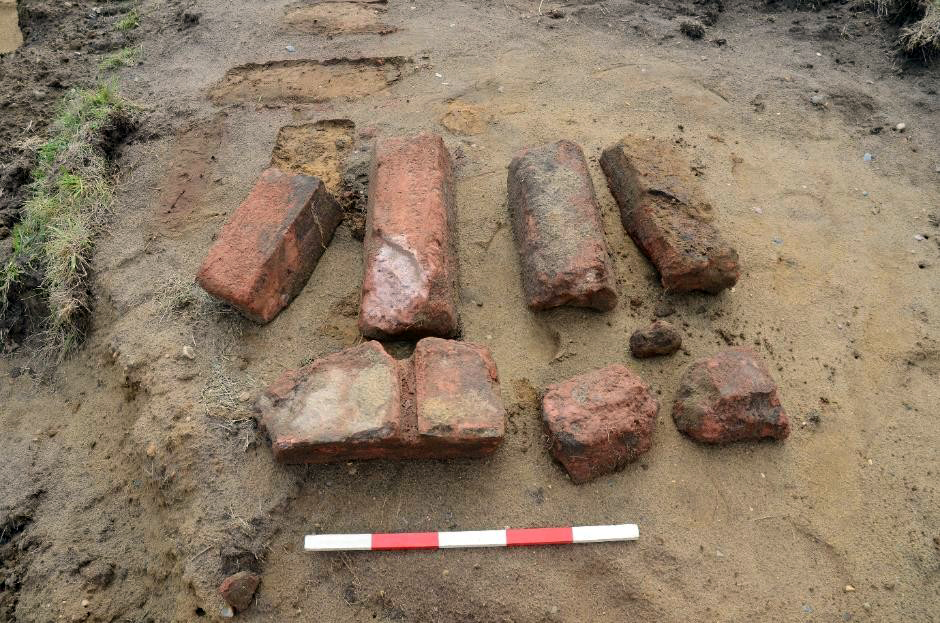
The site lies within the bounds of the Weston Park Estate, which was established in the late 18th century. The earlier building, Weston House (demolished in the 1920s), ancient woodlands, and earthworks possibly related to a previous park layout were all located within the estate. Worked stones uncovered in made ground in one trench, possibly derived from a now disused 19th century garden feature. Relatively modern sand quarry pits significantly disturbed the northern area of site and may relate to works on the estate during the 19th or 20th centuries, or alternatively may relate to the Atlas Works cement factory, which functioned between 1941 until 1992.
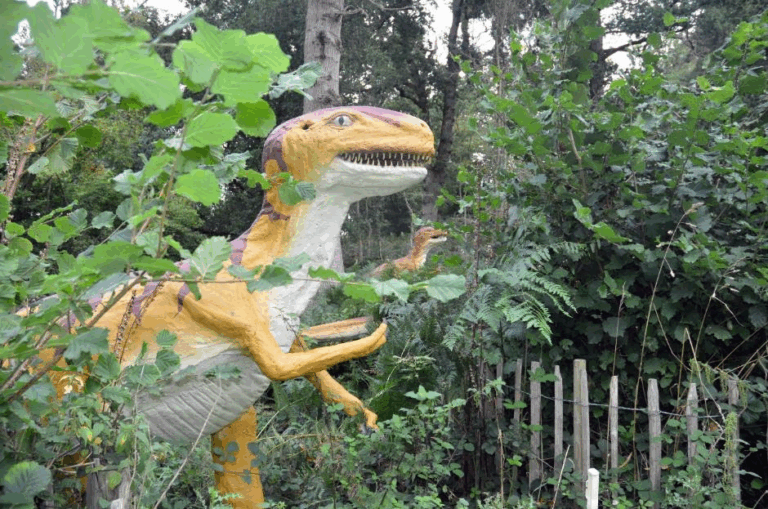
Archaeological evidence spanning the Neolithic period to modern has been uncovered, with the prehistoric evidence deemed to be of local significance. Following publication of the first report, further C14 dating on the material from the charcoal pits will be conducted and included in a secondary publication. No evidence for dinosaurs was found!