St Alfege Church
Royal Borough of Greenwich
Greater London
SE10 9JS
United Kingdom
Map
Sorry, no records were found. Please adjust your search criteria and try again.
Sorry, unable to load the Maps API.
Description
Pre-Construct Archaeology London undertook an intermittent archaeological watching brief (monitoring and recording) during the refurbishment of the churchyard of St. Alfege Church, Greenwich. The refurbishment works included landscaping, the relocation of gravestones, relaying of paving, installing foundations for improved disabled access and the installation of new drainage systems and electrical ducting.
The site is church land, and not subject to Local Planning Authority conditions. That notwithstanding the site’s archaeological potential was highlighted by it being located within an Area of High Archaeological Priority.
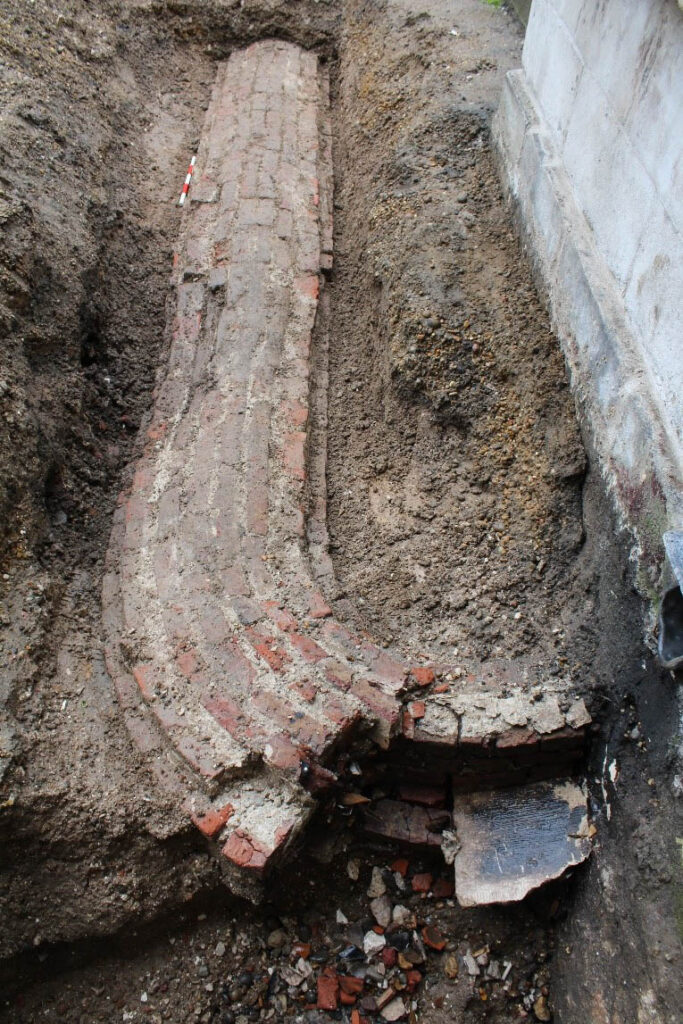
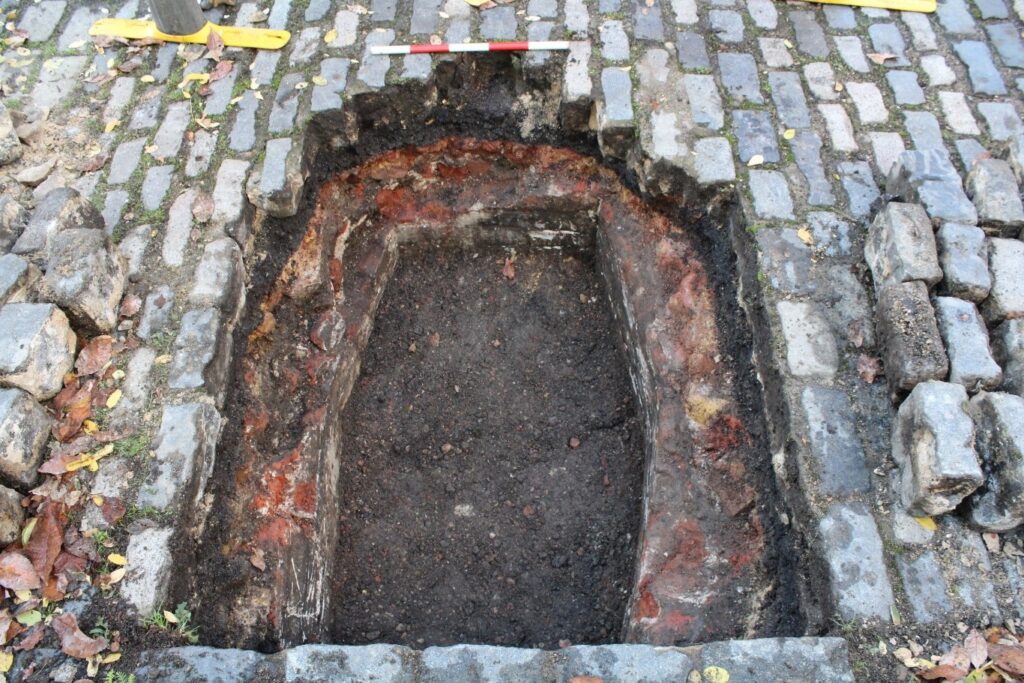
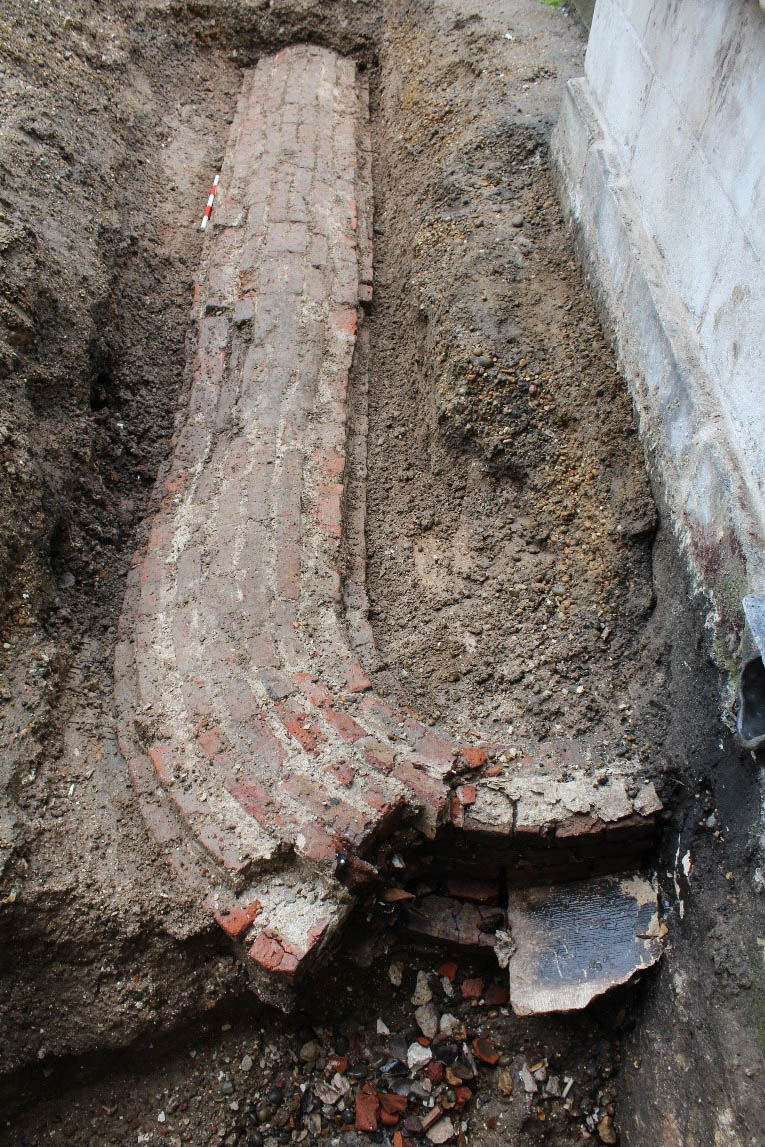
Excavation work was undertaken by the principal contractor or their groundwork subcontractor with PCA in attendance. The attendant archaeologist recorded all archaeological remains uncovered, in particular burials and brick culverts. A large proportion of the works did not involve excavation to any significant depth and therefore there was limited exposure of archaeological features. When archaeological strata were evident the groundworks were halted to allow the recording of the archaeological features, principally tomb structures and vaulted brick drainage culverts and to allow hand excavation to take place to recover human remains in a dignified fashion. All the human bones recovered were later respectfully reinterred in the churchyard. The works were kept private from all visitors to the church, and access to services was not hindered in any way.
The archaeological works demonstrated that the ground level had been significantly reduced when the present church was rebuilt in 1712-14 by Nicholas Hawksmoor. This was done to clear the graveyard associated with the medieval church, destroyed during a storm in 1710.
On completion of the fieldwork, the finds were assessed by relevant PCA specialists and integrated into an archaeological watching brief report that detailed the results of the monitoring.