St Marys Church, Beachamwell
Beachamwell
Norfolk
PE37 8BD
United Kingdom
Map
Sorry, no records were found. Please adjust your search criteria and try again.
Sorry, unable to load the Maps API.
Description
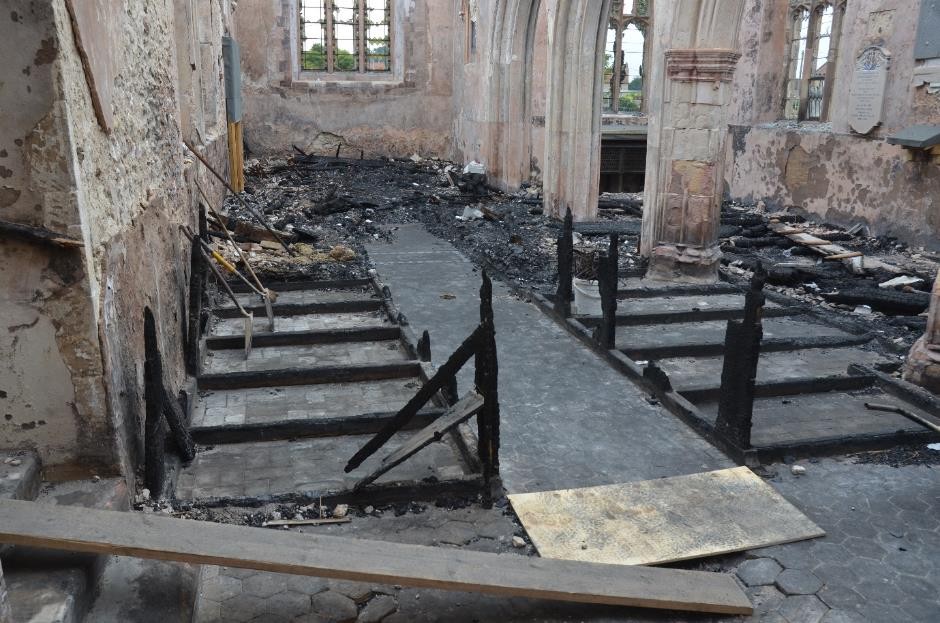
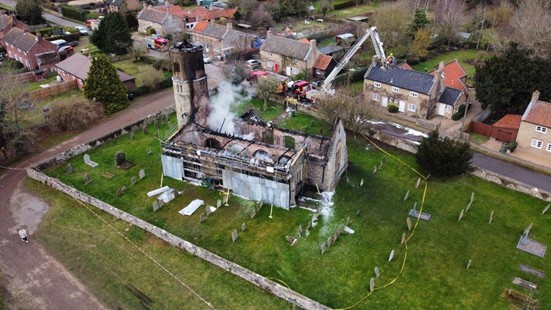
Following a fire at St Mary’s Church, in February 2022, renovation and clearing works were required to enable the restoration of the building. Under archaeological advice issued by Historic England, PCA Norwich were commissioned to undertake intermittent monitoring works on the church.
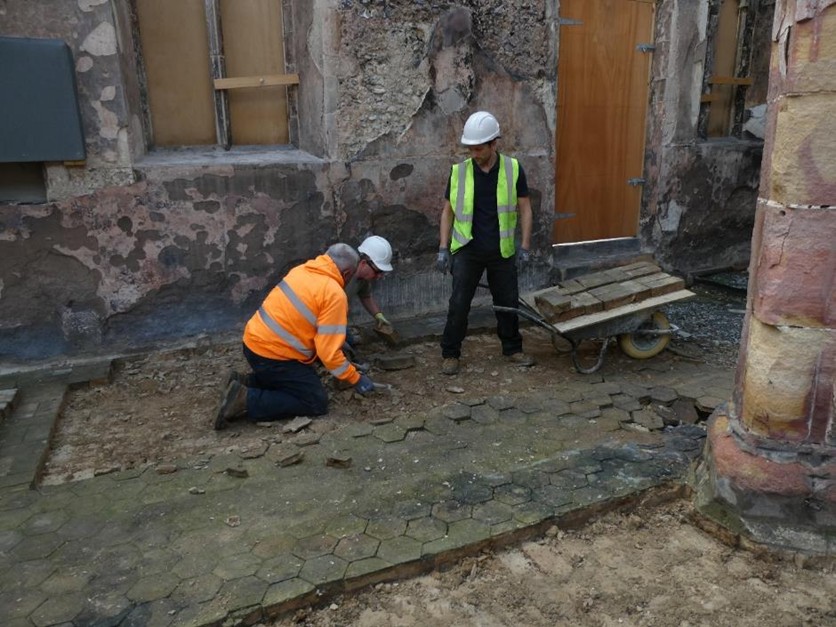
Under guidance submitted by Historic England, the monitoring works comprised the clearing of debris and removing a 19th-century floor surface ahead of reconstruction. The aims of the works were to recover any remains of historic or social value relating to the church and to plot the location of these objects within the church itself.
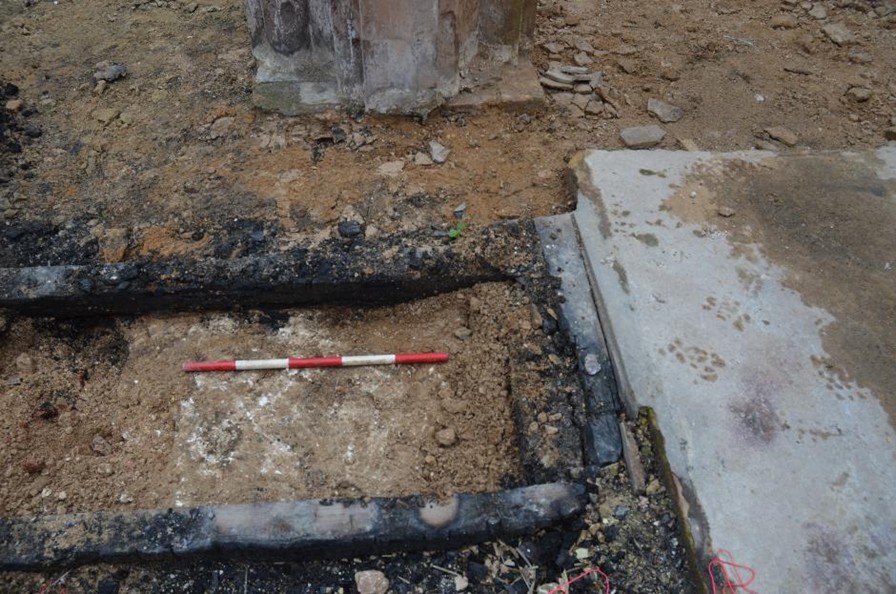
It was ascertained that throughout the works, key steps were to be followed to ensure the appropriate and effective levels of recording and recovery were managed through the works. These included ongoing consultation with the Parochial Church Council , and updating them with the assessment of the impact of the fire to aid identification of surviving objects. The on-site works entailed the plotting of objects on hand plans, the test-pitting of areas ahead of floor reconstruction, and the capturing of photos to document the whole process of clearance. PCA worked collaboratively with the principal contractor during the second phase of monitoring works.
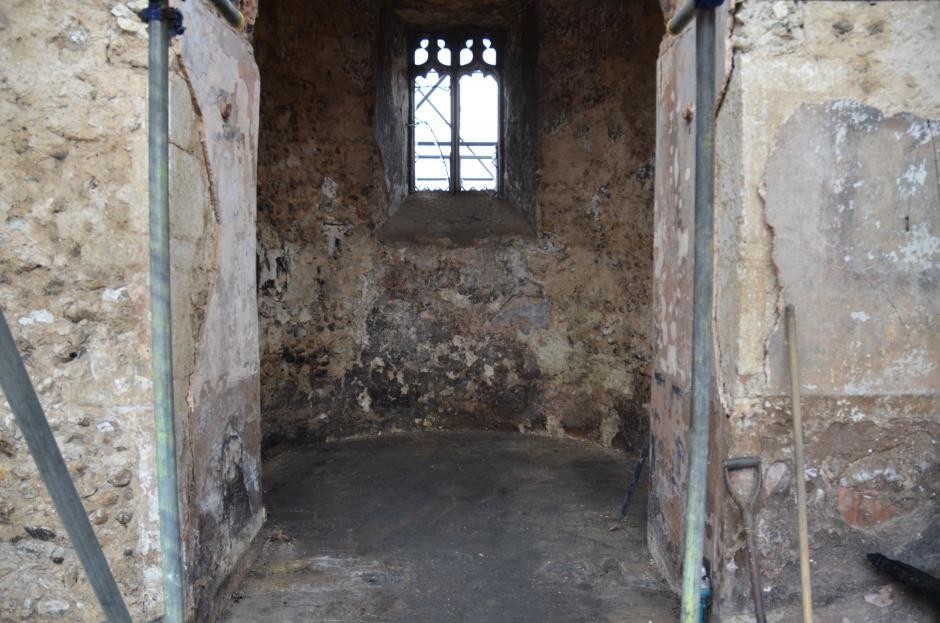
PCA recovered many of the known features of the church, feared to have been lost in the fire. These included fragments of the Mark Pennell church warden memorial and elements of the clock and clock weight at the base of its tower. A bronze and iron chest altar designed and gifted to the church by John Motteux in 1835 following his restoration of the church, was also discovered and recorded in situ in its original location in the South Aisle. In total, 112 objects or fragmented assemblages were recovered and mapped.
The second phase of monitoring works investigated features under the 19th-century brick and hexagonal floor tiles, which had been obscured by later pews. A lone skull, separated from further human bones, was located in the vicinity of the Chancel. A possible grave, which was not excavated, was discovered in the centre of the nave. A further burial in the form of a vaulted tomb was also identified and dated to the 16th–18th centuries, at the location of the platform for an organ. Whilst this phase of excavations did not go deep enough to confirm any evidence of Saxon origins within the building, later test pits revealed archaeological layers seeming to confirm that the South Aisle was a probable 19th-century, addition to the original structure.
These monitoring works provided an important opportunity to preserve and identify surviving objects and fixtures within St. Mary’s church following the destructive fire. Knowledge of the church’s history has also been expanded, despite limited excavation works. Many of the surviving objects are to be reinstated as part of the renovations. Details of these and other findings have been recorded by PCA, with an inventory and discussion of the works compiled in a report. Although restoration works at the church are on-going the church was able to hold a carol service in December 2024.