St Paul’s Cathedral
London
Greater London
EC4M 7DX
United Kingdom
Map
Sorry, no records were found. Please adjust your search criteria and try again.
Sorry, unable to load the Maps API.
Description
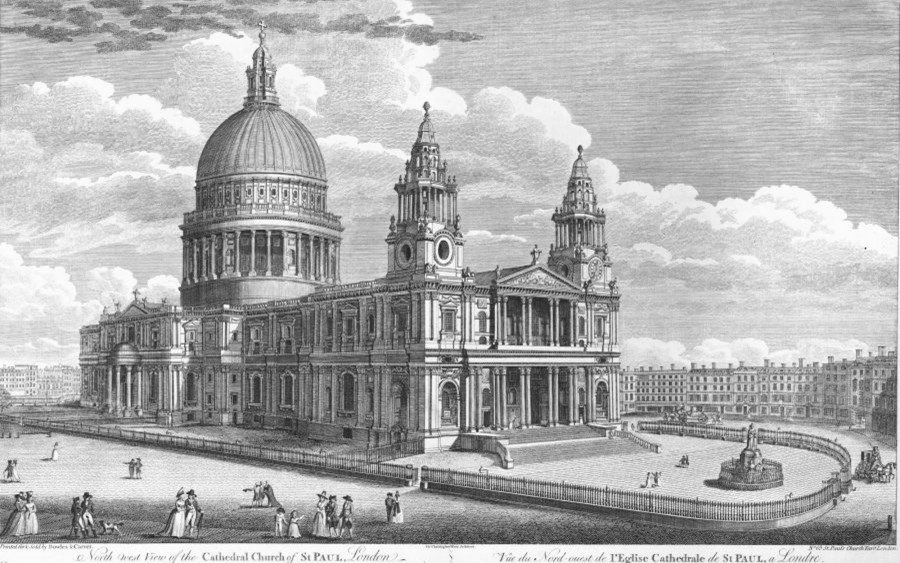
St Paul’s Cathedral, now a Scheduled Monument, was designed and built by Christopher Wren following the Great Fire of London, but overlying religious buildings from early medieval times onwards.
Pre-Construct Archaeology London undertook several archaeological interventions for several clients within and outside the present cathedral building, working in close consultation with the Cathedral Archaeologist, the Corporation of London, Historic England, and specialist contractors undertaking other works.
Projects variously involved monitoring infrastructure work in the churchyard for the replacement of gas mains, building work in the crypt to improve toilet facilities, groundworks ahead of the construction of a ramp providing access to the North Transept and other facilities forming part of the Equal Access programme of works.
Most of the interventions were small, and several involved working in previously disturbed locations and as such no in-situ archaeological remains were found. Human remains disturbed by the earlier works were collected and later reburied in consecrated ground specified by the Dean and Chapter of St Pauls.
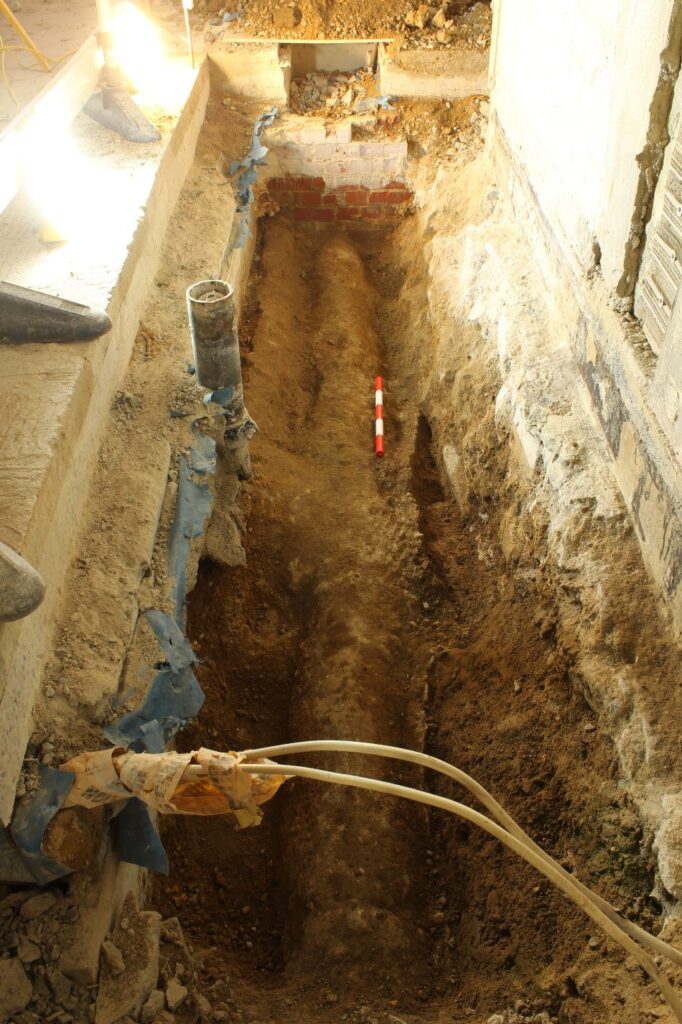
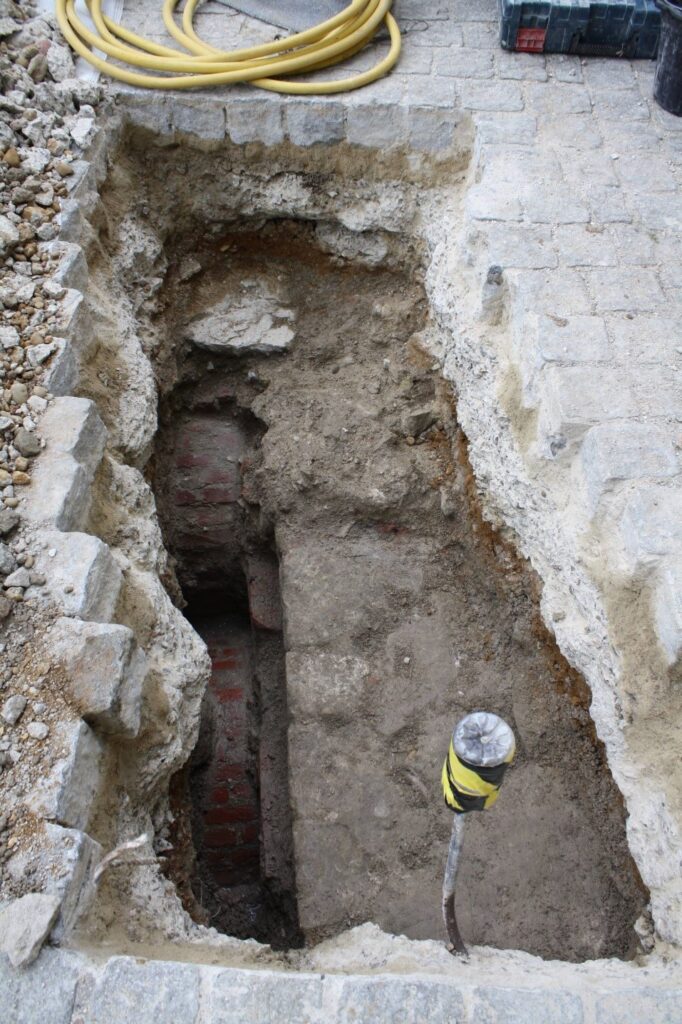
However, some in-situ remains were recorded including a medieval well at the site of the North Transept as were some of the foundations of the cathedral including that of the north transept and two brick culverts of the initial construction date.
At the location of the new access ramp, a large chalk foundation which may have formed part of the medieval cathedral was recorded.
Included within Wren era walls and culverts were recycled medieval stone types all of which have previously been identified as fabric of medieval St Paul’s.
One unexpected discovery in the Wren boundary wall was the identification of reused Quarr stone from the Isle of Wight. This rock had not previously been identified in St Paul’s Cathedral, but elsewhere in London it was associated specifically with major Saxo-Norman building projects from the White Tower, and Westminster Abbey. Given that the quarries ran out of stone by the 12th century, its presence was of great interest and offered insight into the stone building materials being used in the medieval St Paul’s.
Results from the archaeological investigations were disseminated via updates in the popular London Archaeologist magazine as well as technical reports.