Stamford and Rutland Hospital
Stamford
Lincolnshire
PE9 1YA
United Kingdom
Map
Sorry, no records were found. Please adjust your search criteria and try again.
Sorry, unable to load the Maps API.
Description
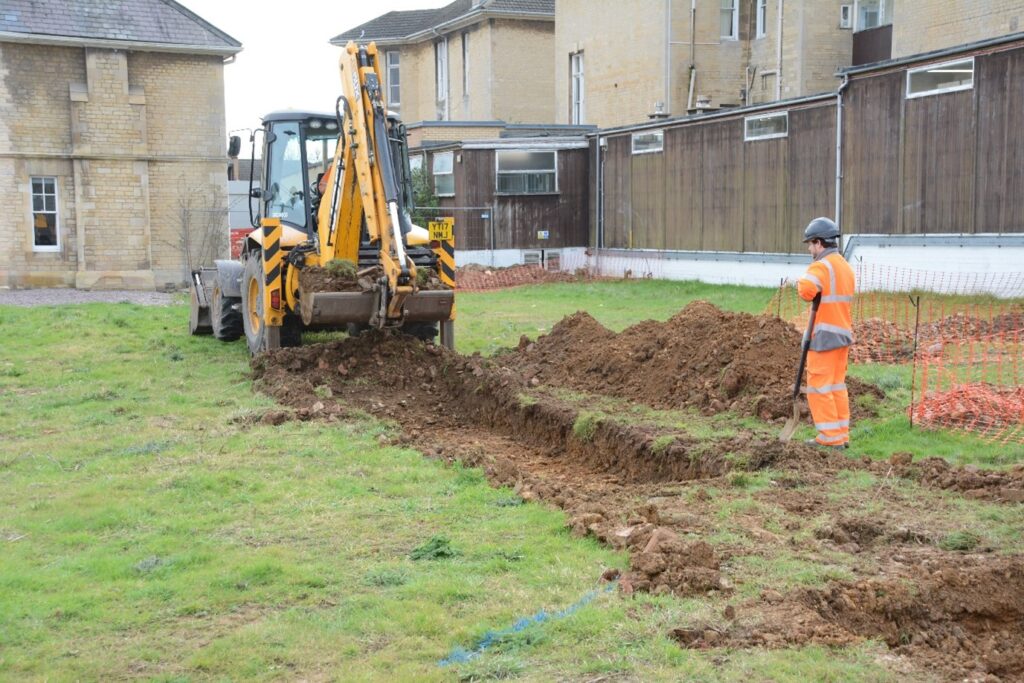
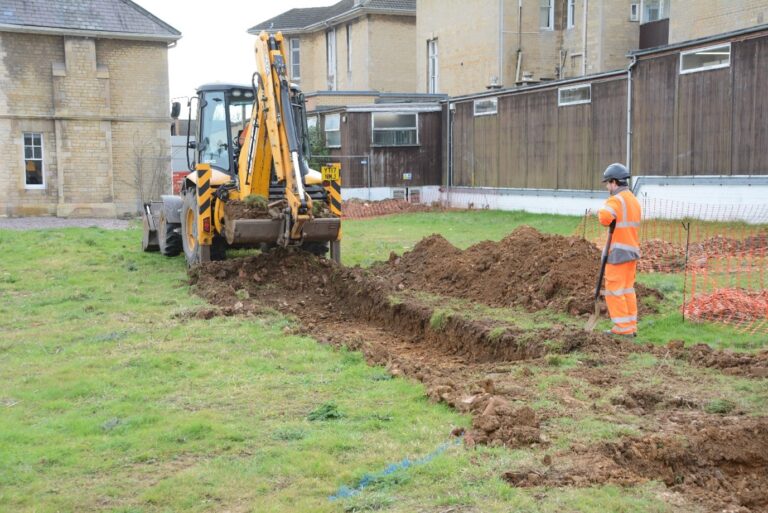
Pre-Construct Archaeology Ltd Newark were commissioned to evaluate and ultimately strip and excavate features within the current grounds of Stamford and Rutland Hospital as a part of planning conditions for new operating theatre buildings.
Stamford and Rutland Hospital covers a large proportion of the medieval Greyfriars Franciscan friary, established in 1230. The majority of the friary buildings were demolished following the dissolution in 1538.The incorrectly named Whitefriars Gatehouse, which dates to the late 14th century, forms the only surviving upstanding remains of the friary; this is located approximately 150m southwest of the site. This placed the current site within the friary precinct, and as such was an area of high potential for archaeological remains.
Part of the site within the application boundary is currently in use for car parking and was therefore inaccessible. However, a 0.15-hectare area located on the south side of the application was accessible for investigation.
Although the evaluation showed a high degree of modern disturbance across the site relating to the hospital it also revealed a cluster of intercutting medieval pits and other features, including a large ditch, of the same date.
These features, dated by small quantities of pottery to the 12th-14th centuries, correspond to the earliest activities relating to the friary or even pre- friary activities
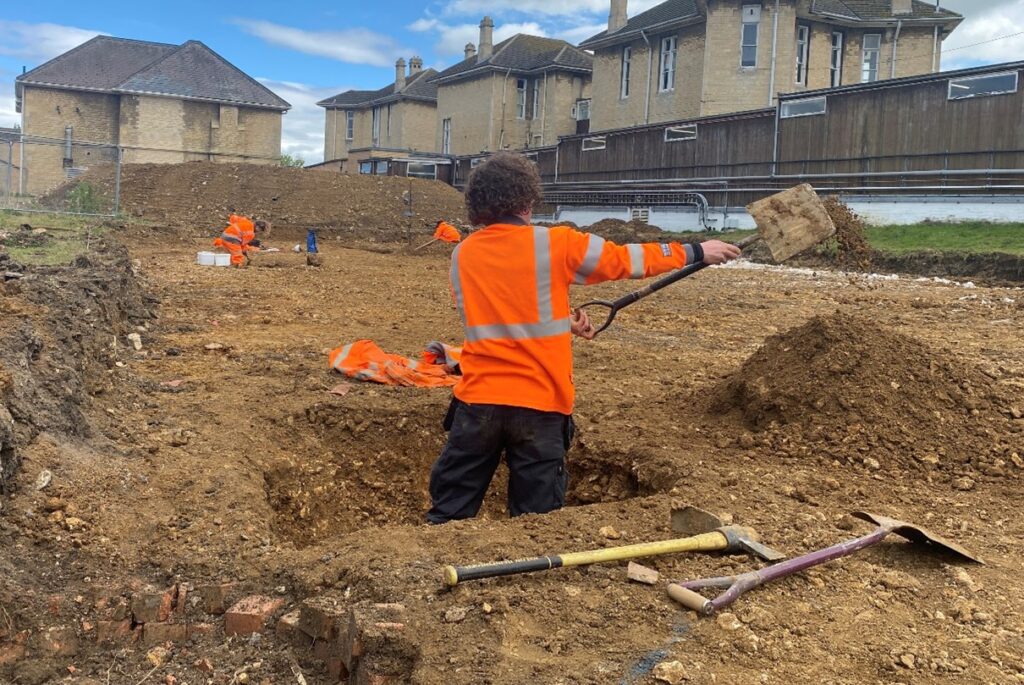
On the basis of these findings South Kesteven District Council requested an area of approximately 0.8 hectares to be opened up in order to more fully investigate the features.
This revealed further pits, including quarry pits that contained sherds of 13th-14th century pottery. It would seem likely that at least some of the construction material for the friary was sourced on site. Eight smaller pits were also present cutting the rocky substrate. These smaller pits were likely to be rubbish pits associated with the friary although the possibility that they represented tree planting pits within the friary garden.
Following the completion of all site works, a full report of the findings was made and submitted to South Kesteven Council to fulfil the planning conditions for archaeological investigations which enabled the new operating theatres to be built.