University of Peterborough
Peterborough
Peterborough
United Kingdom
Map
Sorry, no records were found. Please adjust your search criteria and try again.
Sorry, unable to load the Maps API.
Description
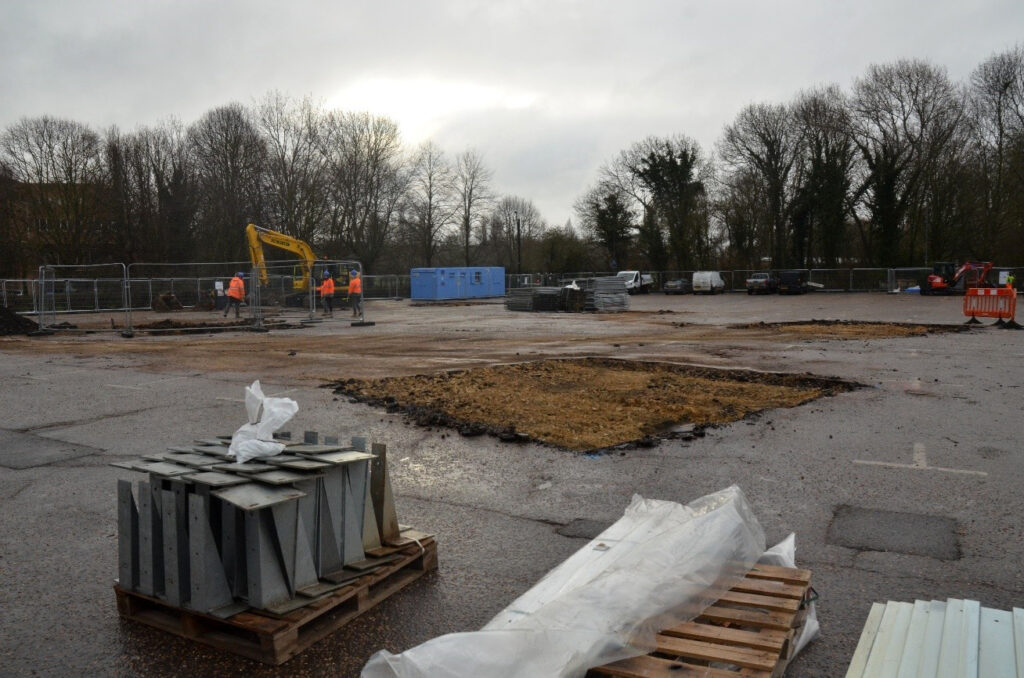
PCA Cambridge undertook a programme of archaeological trial trenching, comprising ten 5m x 5m stepped trial trenches, totalling 250m2 at the Phase 3 site, at the University of Peterborough.
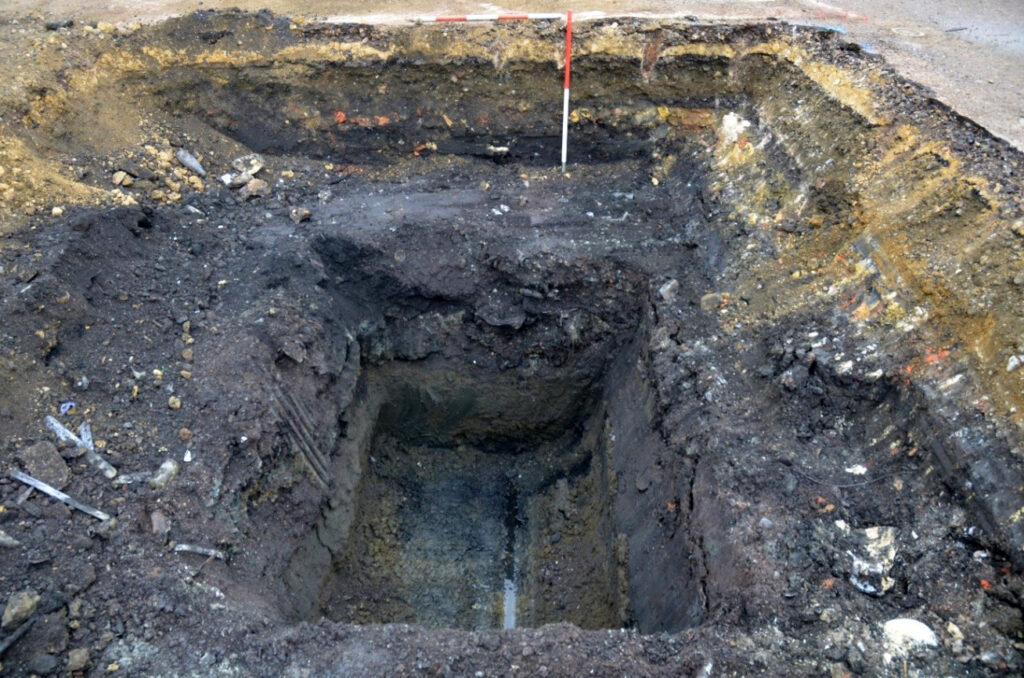
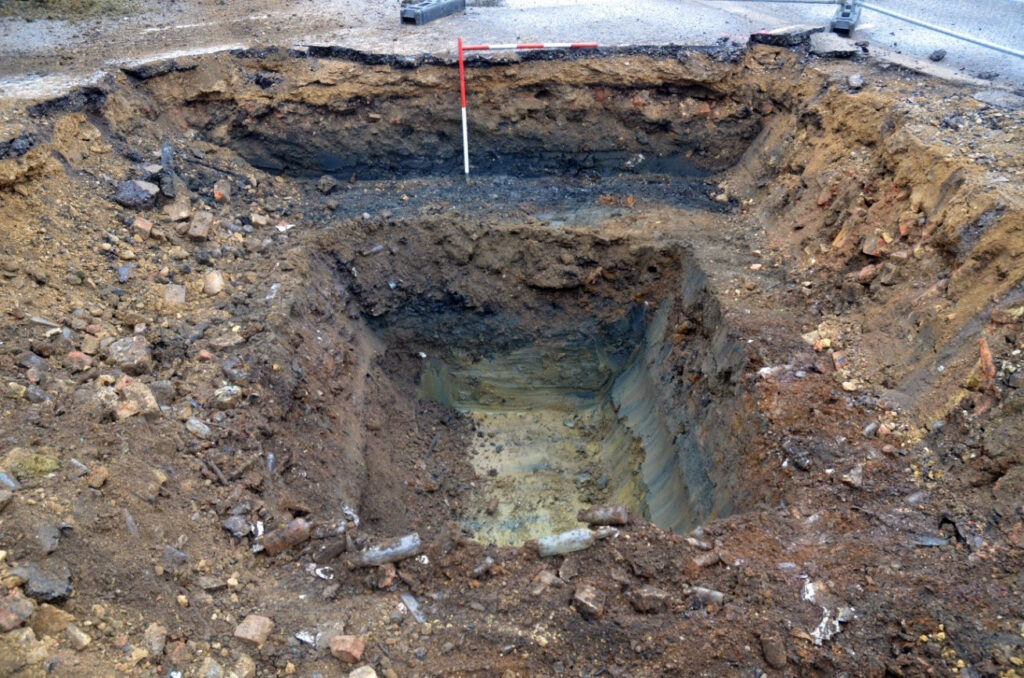
Located at the Embankment within the east of Peterborough city centre, the former Regional Pool Car Park revealed evidence for modern activity and deposition in all of the trenches, with made-ground measuring between 0.90m–2.22m in thickness in each trench above the natural geology.
Prior to the excavation works, the recommendation for archaeological work was placed by Cambridgeshire and Peterborough Combined Authority (CPCA) within planning consent by Peterborough City Council (PCC) for the development of the site. With sites and spot dates in the close vicinity of site ranging from Mesolithic, Bronze Age, Roman, Anglo-Saxon and medieval in date, the potential for archaeological activity on the site was known prior to any groundworks.
A ground penetrating radar (GPR) survey of the car park and the adjacent areas to the west, detailed coherent features as well as heavy truncation from the car park construction, with redeposition of modern material being expected across the site. These truncations were observed during an earlier trial trenching project where 20 stepped trenches were excavated across the site. Five of these trenches revealed undated features, with evidence of a dumped deposit of modern material, inclusive of pharmaceutical bottles which were likely associated with the clearance of the hospital at the eastern extent of the site.
During this phase of excavations, a further 20 stepped trenches were excavated. Due to the expected depths of the trenches, a 21 ton 360° tracked mechanical excavator was used to ensure trenches were excavated safely and, in a manner, to ensure the archaeological deposits could be correctly recorded. Thick deposits of made ground were witnessed across the site. The depth of truncation and associated thickness of made ground have masked potential archaeological deposits that might have been present on the site; the depth of these deposits and the loose nature of the items (largely modern rubbish deposits) prevented safe access into any of the trenches. As such, the archaeologist on site conducted the works from the top of the excavations, to ensure depths of the deposits of friable and loose material could be recorded prior to the next stage of excavations.