White Lion Hotel
Wisbech
Cambridgeshire
PE13 1JA
United Kingdom
Map
Sorry, no records were found. Please adjust your search criteria and try again.
Sorry, unable to load the Maps API.
Description
A programme of archaeological evaluation was conducted by PCA Cambridge at the White Lion Hotel. Planning consent was granted for the erection of a kitchen extension and the construction of a 6-bedroom annexe, as well as the demolition of a wall. As the pub and, as such, the site, is located within the conservation area of Wisbech (as recognised by the Fenland District Council), it is indicative that a high archaeological potential of the site and the surrounding area was expected.
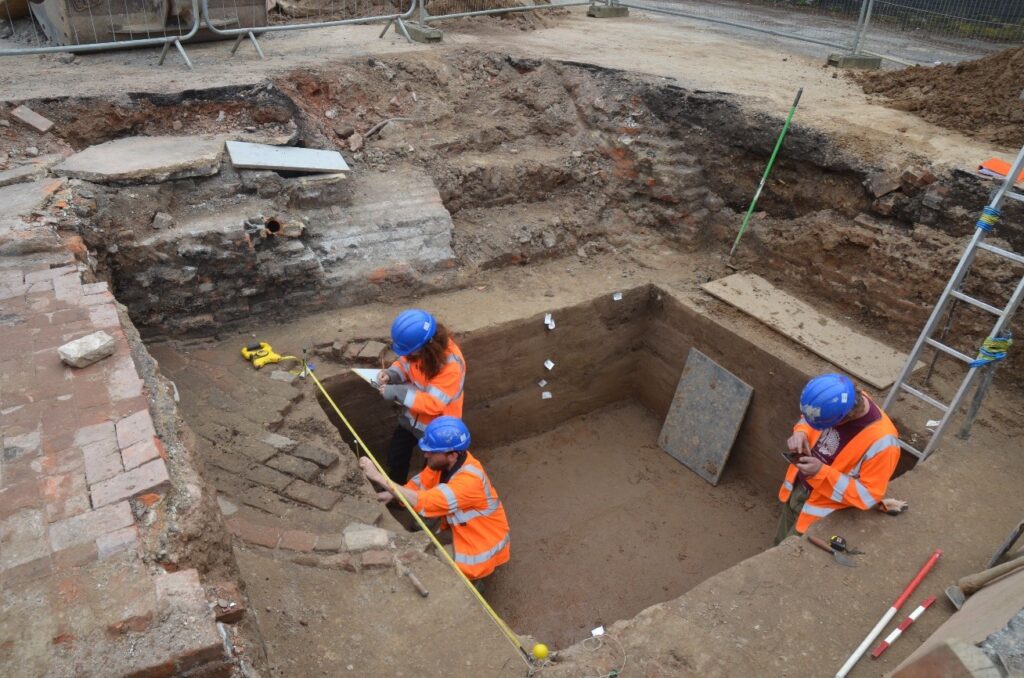
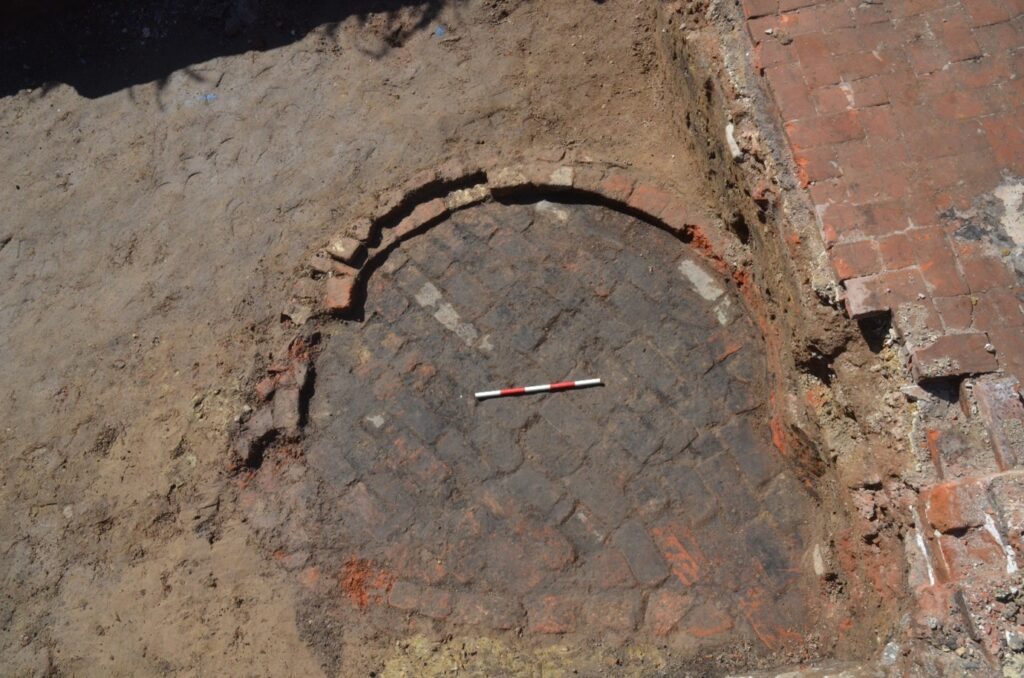
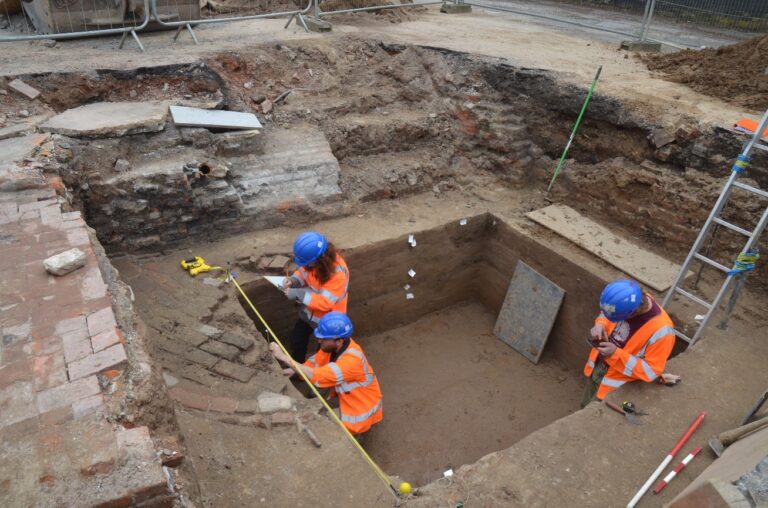
A two trench archaeological evaluation undertaken on the site, following a carefully planned Written Scheme of Investigation, identified that due to the site’s location on the southern bank of the river Nene, archaeological deposits and features could be buried underneath substantial flood deposits associated with the river. These thick deposits were identified beneath a post-medieval brick oven in Trench 1, whilst further post-medieval brick walls, associated with buildings that predated the White Lion Hotel, were observed during the excavation of Trench 2.
Following collation of the data and records from the trial trenching, further excavation works at the site are planned, in an attempt to further reveal and record the brick oven and the extent of the walls of the former buildings observed, as well as the flood deposits which may seal even earlier archaeological activity. Due to the limited size of the trenches and understanding that there would be a return to the site at a later date when larger areas will facilitate PCA’s ability to conduct deeper stratigraphic recording on the site.
The evaluation (trial trench) report compiled by PCA will contribute towards a final archaeological report that will be compiled upon completion of the excavation works at the White Lion Hotel. Following the completion of a post-excavation assessment, in accordance with planning regulations, it is anticipated that an article will be prepared for inclusion in a local archaeological journal will be created, to further detail the post medieval activity that was recorded during the excavation process.